A furniture pre-shipment inspection should answer one question: does the finished order match the approved specification closely enough to ship? The inspection should cover product identity, quantity, dimensions, materials, structure, finish, upholstery, hardware, function, packing, carton marks, and documented defects.
The inspection standard should come from the purchase order, approved drawings, product specification, samples, finish references, and buyer-specific requirements—not from the inspector’s memory or a generic idea of “good quality.”
1. Bring the Approved References to the Inspection
Before checking the furniture, make sure the inspector has the latest approved information.
- purchase order and model list
- approved dimensions or drawings
- material specification
- finish and upholstery references
- approved custom changes
- packing requirement
- carton marks, labels, or barcodes where relevant
- buyer-specific inspection or testing instructions
If the inspection team is using an outdated sample or drawing, a technically careful inspection can still reach the wrong conclusion.

2. Verify Product Identity and Quantity
Confirm that the finished goods are the models, sizes, finishes, upholstery options, and configurations that were ordered.
- product code or model
- quantity per model
- quantity per finish or fabric
- left/right or size variants where applicable
- carton count against the packing list
A correct total quantity is not enough if the model mix is wrong.
3. Measure the Dimensions That Define the Product
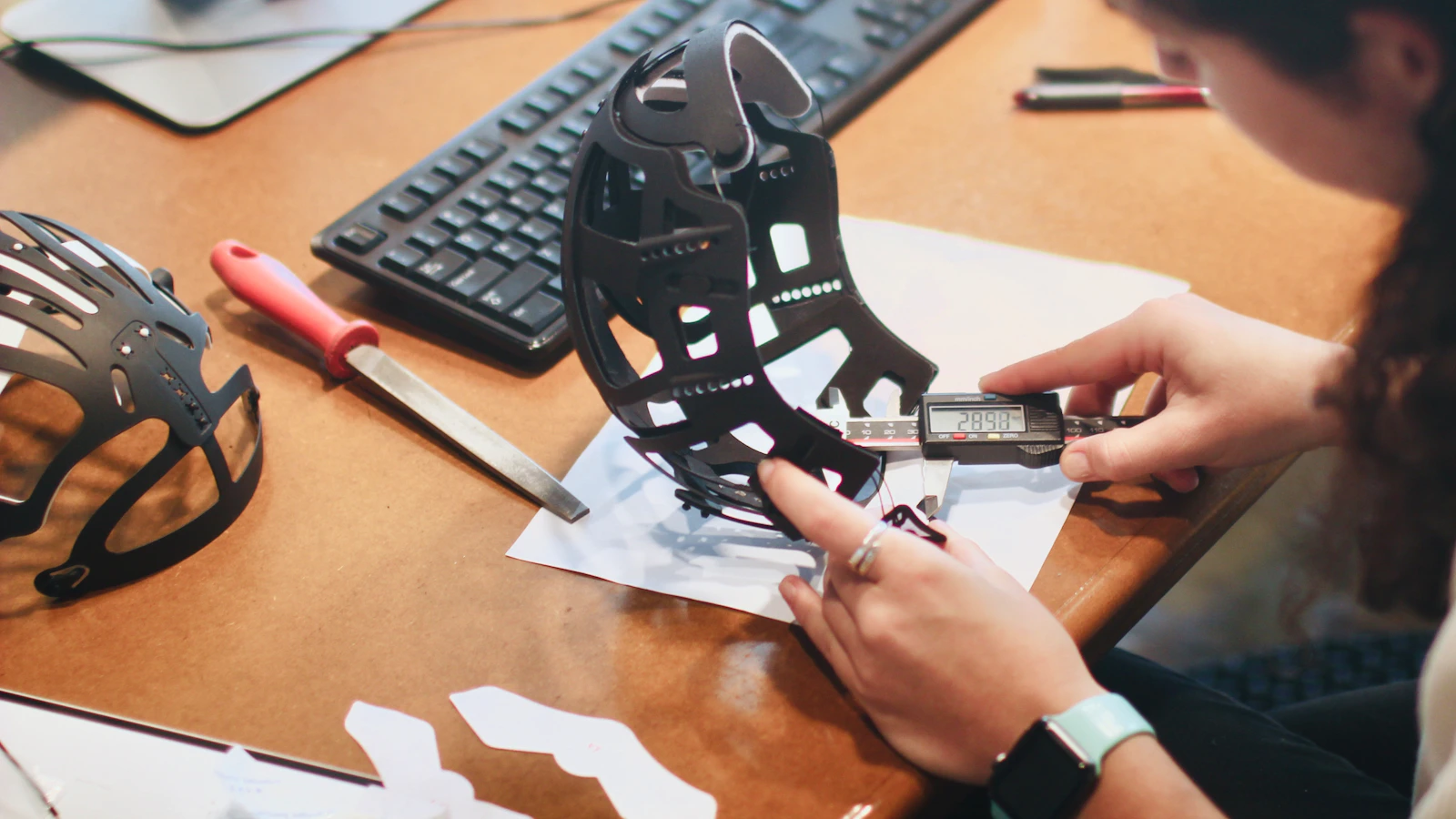
Check the key dimensions that affect fit, comfort, assembly, or market compatibility.
- overall width, depth, and height
- seat height and seat dimensions for chairs
- table length, width, height, and top thickness
- mattress or bed-frame dimensions
- critical hole positions, gaps, or assembly dimensions
Do not invent one tolerance for every product. The acceptable tolerance should be defined in the buyer’s specification, drawing, approved sample, or inspection instruction where it matters.
4. Confirm Materials and Visible Wood Selection
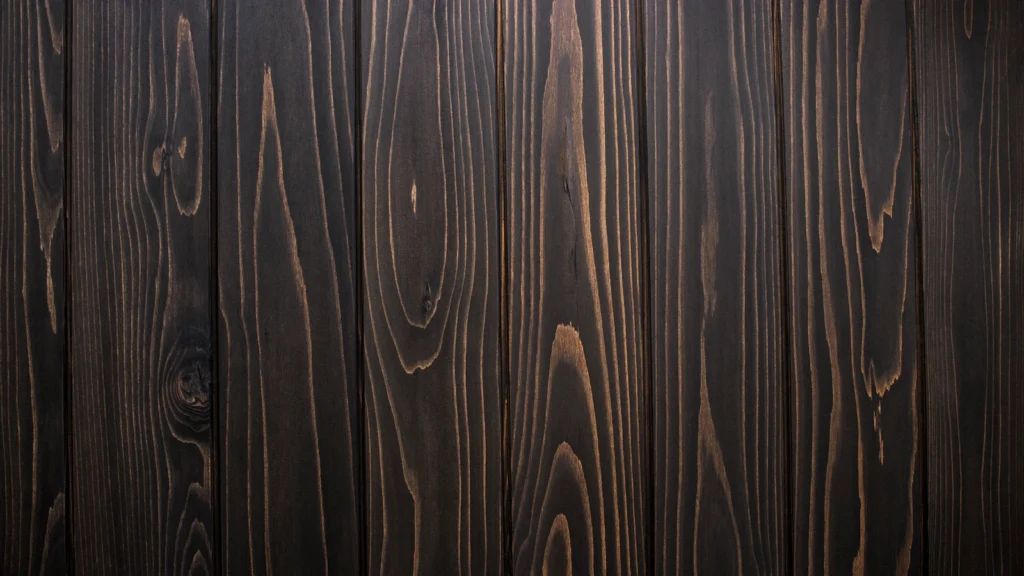
For solid wood furniture, confirm the specified species and the components that should be solid. Review visible material appearance against the agreed standard.
- wood species
- solid versus non-solid components
- visible grain and color direction
- knots, sapwood, mineral marks, or other natural characteristics against the approved range
- upholstery and other visible materials
Natural variation should not automatically be classified as a defect. The question is whether it falls inside the agreed appearance range. A separate article, What Quality Variations Are Acceptable in Solid Wood Furniture, will cover that distinction in more detail.
5. Check Structure, Stability, and Assembly
Look beyond surface appearance.
- joints are seated correctly
- frames do not have obvious looseness or unintended movement
- tables and cabinets sit level where required
- knock-down connections align and can be assembled
- hardware is complete and correctly installed
- moving parts operate as intended
If formal strength, durability, stability, or loading tests are required, use the test method and acceptance criteria specified by the buyer, market, project, or applicable standard. Do not assume one universal furniture test applies to every order.
6. Inspect Finish and Surface Workmanship
- color against the approved reference
- sheen and surface feel
- consistency across pieces
- visible scratches, dents, runs, rough sanding, stains, or coating defects
- edge and corner finish
- finish coverage in visible and specified areas
For stained solid wood, compare against an acceptable range rather than expecting identical grain and color on every piece.
7. Check Upholstery, Sewing, and Soft Components
- correct fabric or leather reference
- color and directional pattern where relevant
- seams and stitching
- wrinkles, puckering, loose areas, or uneven tension
- foam or cushioning feel against the approved sample or specification
- visible staples, exposed fasteners, or sharp edges
8. Verify Hardware and Accessories Before the Carton Is Closed
Missing hardware creates a disproportionate after-sales problem because the main product may be correct but impossible to assemble or use.
- screws, bolts, washers, brackets, and fittings
- handles, hinges, slides, locks, or other functional hardware
- assembly tools or instructions where specified
- spare parts where the order requires them
- hardware bag labeling and placement
9. Review Packing as Part of Product Quality
A product can pass the factory inspection and still arrive damaged if the packing does not match the product structure.

- carton condition and construction
- edge and corner protection
- foam or formed protection
- protection between components
- hardware placement
- knock-down component layout
- wooden reinforcement where the product needs it
- carton marks and product identification
For Nestul’s core solid wood line, the normal packing direction includes five-layer corrugated cartons, with edge protection, wooden reinforcement, modular packing, or formed foam used where the product structure calls for it. The exact configuration is still confirmed by product and order.
10. Record Defects So They Can Be Corrected
An inspection report is most useful when each finding can be traced to an item, photo, location, and required action.
- product code or carton reference
- clear photo of the issue
- description of what differs from the approved reference
- quantity affected
- repair, replacement, sorting, or reinspection action
If the buyer uses a formal sampling or defect-classification system, the sample size and acceptance criteria should be agreed before inspection. There is no reason to copy an arbitrary AQL number from another order when the buyer, customer, or applicable standard requires something different.
Nestul’s Core Solid Wood QC Process
For Nestul’s core solid wood furniture line, quality review is separated into three checkpoints: the unfinished-product stage, after finishing, and before packing. Products are photographed before shipment, and individual product numbering is used for record keeping.
This workflow applies to the standard solid wood line and should not be treated as a blanket promise for every non-standard commercial custom program, where the inspection plan may need to follow project-specific requirements.
For the wider sourcing context, see Quality & Packing and What Importers Should Check Before Buying Solid Wood Furniture from China.
Final Takeaway
A pre-shipment inspection should compare finished furniture against approved references, not vague expectations. Check identity, quantity, dimensions, material, structure, finish, upholstery, hardware, function, packing, and traceability before the order is released.
If you are preparing an inspection plan for a wholesale order, send the product list, approved specification, finish references, and packing requirements through the Nestul inquiry page so the final checks can be aligned with the actual order.
Furniture Pre-Shipment Inspection FAQ
Should every piece be inspected before shipment?
Not necessarily. The inspection scope depends on order size, product risk, buyer requirements, and the agreed sampling plan. Some points, such as carton count, may be checked across the full shipment while product inspection may use a defined sample.
What should furniture be compared against during inspection?
Use the latest approved specification, drawings, sample, finish and upholstery references, purchase order, and packing requirements.
Is natural wood variation a defect?
Not automatically. Solid wood varies naturally. The inspection should compare the product against the agreed appearance range and identify defects separately from normal material variation.
Should packing be inspected before shipment?
Yes. Packing affects transport damage risk, hardware completeness, receiving, and product identification, so it should be part of the final review.