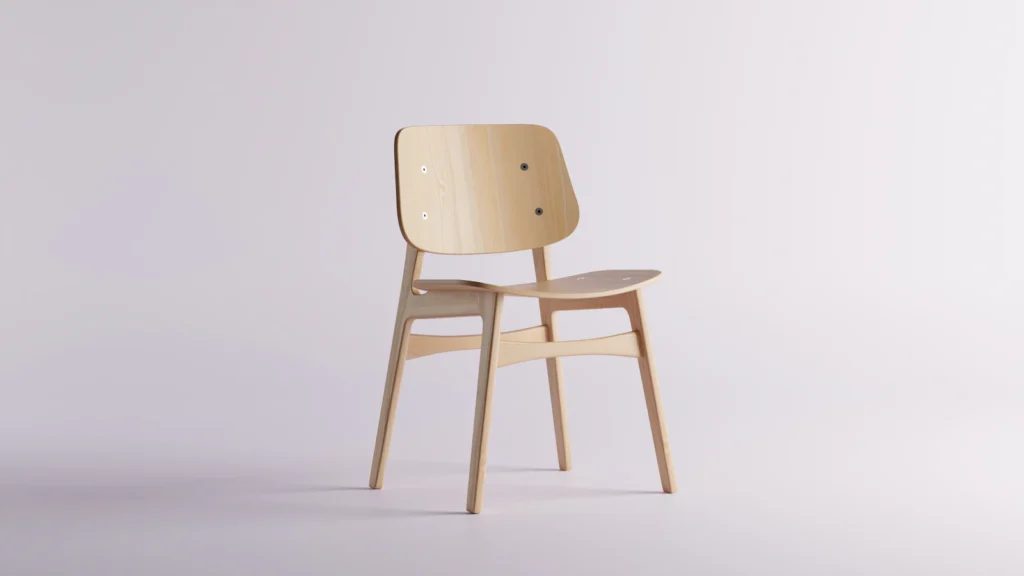
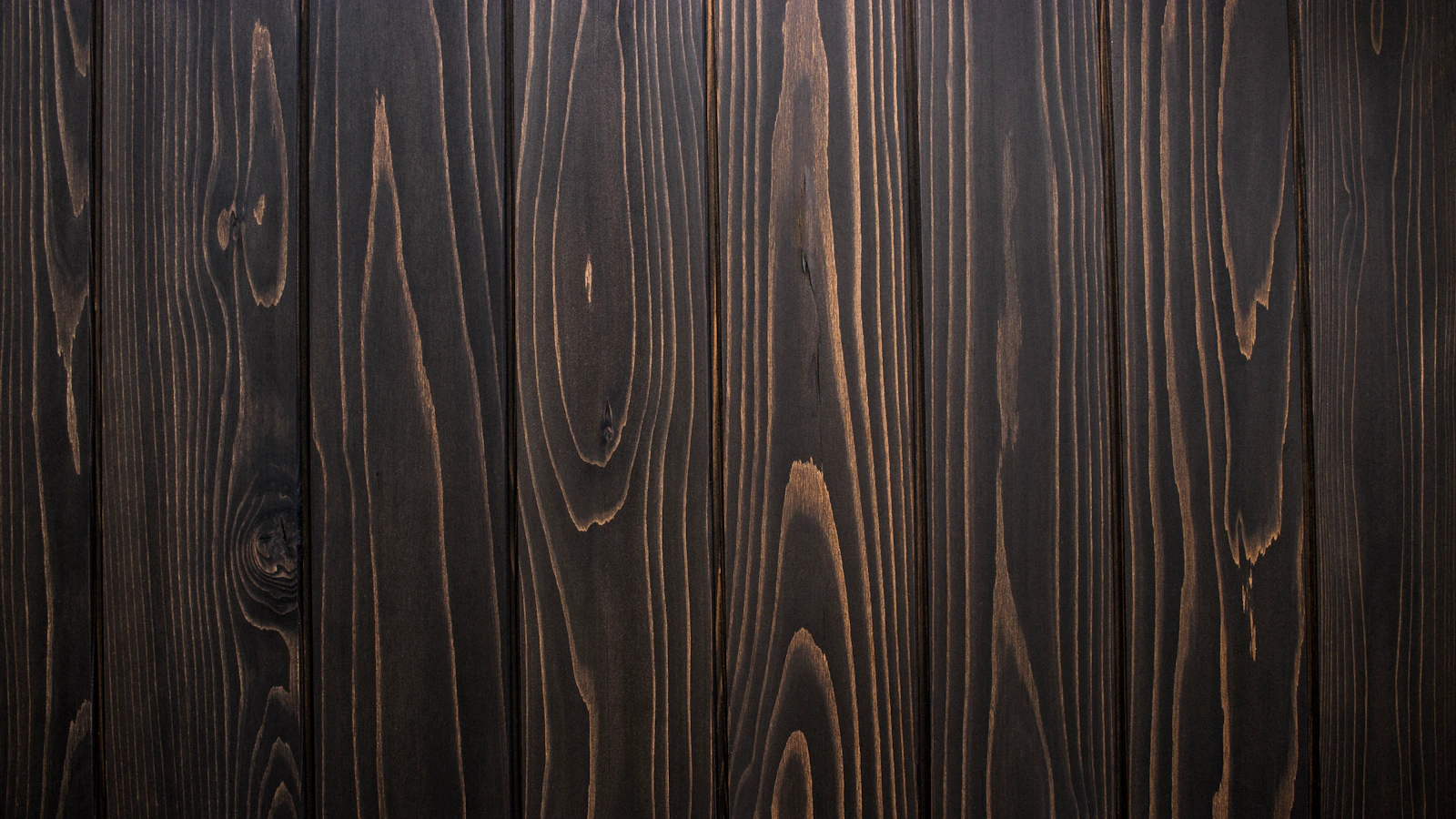
Natural variation is part of solid wood furniture; a defect is something that falls outside the approved material, appearance, structural, dimensional, finish, or workmanship standard. The practical job for buyers is to define the acceptable range before bulk production, rather than trying to make every piece of natural wood look identical.
For wholesale orders, the difference between “acceptable variation” and “defect” should be judged against the approved specification, sample, finish reference, visible-grade expectation, and intended use of the product.
Natural Wood Variation Is Not Automatically a Quality Problem
Solid wood varies because each board comes from a natural material with its own grain, color, growth pattern, density, and surface character. Even when the same species and finish process are used, two components can still look different.
Typical natural differences can include:
- grain direction and figure
- lighter and darker color zones
- sapwood and heartwood differences
- small mineral marks or natural streaks
- small sound knots where the approved material standard allows them
- different stain absorption between boards
Whether any of these are acceptable depends on the species, product position, visible area, finish direction, and buyer-approved standard. A rustic dining table and a clean contemporary chair may use very different selection rules.
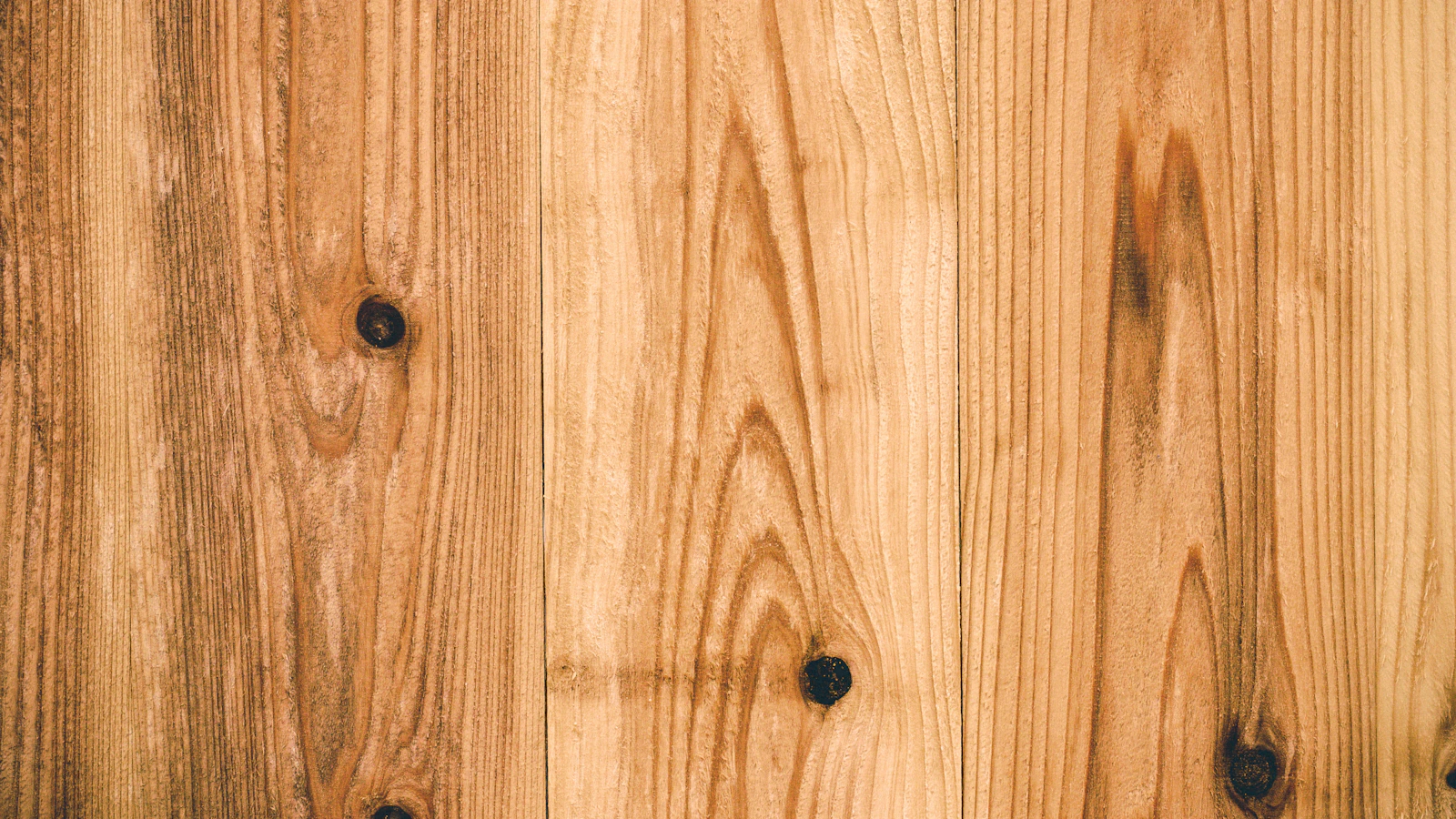
The Approved Appearance Range Should Be Defined Before Production
A common source of disputes is approving one attractive sample and later assuming the full order must reproduce that exact board pattern.
A stronger approval process defines what the bulk order is allowed to vary within. Buyers can confirm:
- the wood species
- which components must be solid wood
- visible-grade expectations
- acceptable light-to-dark color range
- whether sapwood is allowed on visible faces
- whether knots or mineral marks are permitted and where
- finish color and sheen reference
- how much piece-to-piece variation is commercially acceptable
This is especially important for distributors who expect repeat orders. The goal is a repeatable commercial appearance, not a promise that natural grain will repeat exactly.
Color Variation Can Be Acceptable; Wrong Finish Is Not
Stained solid wood can show slight color differences because the underlying boards absorb finish differently. That can be acceptable when the pieces remain within the approved finish direction.
It becomes a quality issue when the finished product clearly falls outside the approved color range, sheen, surface feel, or coating standard. Examples can include:
- one group of chairs visibly reading as another color
- gloss level inconsistent with the approved sample
- visible runs, dirt, sanding marks, rough patches, or incomplete coating
- finish damage that exposes the substrate where it should not
The finish approval process is covered in How to Choose a Wood Finish for Solid Wood Furniture.
Knots Are a Material-Selection Question Before They Are a Defect Question
A small sound knot may be acceptable in one product line and unacceptable in another. The important distinction is whether the knot fits the agreed visible-grade standard and whether it affects structure, surface integrity, or finishing.
Loose knots, open holes, unstable areas, or defects that weaken a load-bearing component are different from normal decorative character. Buyers should therefore avoid one blanket rule such as “no knots” unless that is truly part of the commercial specification.
Cracks, Checks, and Open Joints Need Functional Context
Wood changes dimension as its moisture content changes, and some small checks can occur in natural timber. That does not mean every visible line is acceptable.
A crack, split, or opening should be treated as a defect when it compromises structure, creates a sharp or unstable surface, opens an approved joint, visibly falls outside the agreed appearance, or affects normal use of the furniture.
There is no useful universal millimeter rule for every species, component, climate, and product. Where a buyer needs a numerical tolerance, it should be written into the specification or inspection instruction for that order.
Warping Becomes a Defect When It Affects the Product
Natural wood can move, but the finished furniture still needs to function as approved.
Examples of unacceptable movement can include:
- a table that no longer sits or assembles correctly
- a chair frame that is visibly twisted
- a door or drawer that cannot operate normally
- a panel gap that exceeds the approved construction standard
The acceptable tolerance depends on the product and specification. The test should be commercial function plus the agreed dimensional requirement, not an arbitrary rule copied from another item.
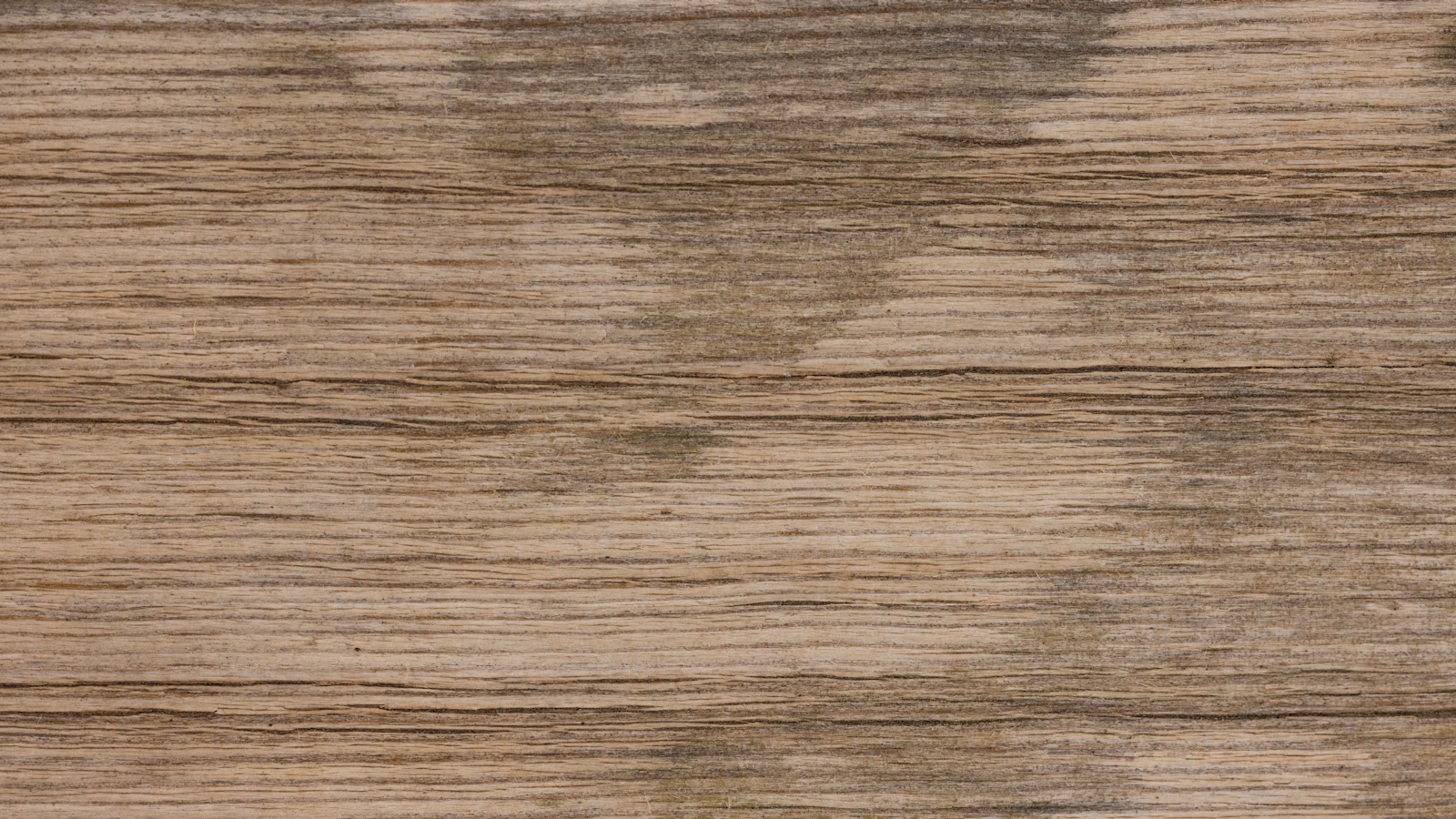
Structural Problems Are Not Natural Variation
Loose joints, broken components, failed hardware, major assembly gaps, unstable frames, missing supports, or incorrect structural parts should not be explained away as natural wood variation.
For a chair, the inspection should pay attention to the main joints, seat support, back connections, and any movement that was not part of the design. For a table, check leg and apron connections, top support, knock-down hardware, and whether the product assembles and stands as intended.
Wrong Material or Wrong Specification Is a Defect Even If the Product Looks Good
A piece can look attractive and still fail the order specification.
- wrong wood species
- wrong dimensions
- wrong upholstery material or color
- wrong hardware
- missing accessories
- unapproved material substitution
Quality is not only visual workmanship. It also means conformity to what the buyer actually approved.
Use a Three-Part Classification During Inspection
A practical way to review solid wood furniture is to separate findings into three groups:
- Normal natural variation: expected material differences inside the approved range.
- Commercially unacceptable variation: natural-looking differences that exceed the buyer-approved appearance standard.
- Manufacturing or specification defect: structural, dimensional, finish, material, hardware, upholstery, or packing problems that do not match the approved order.
This classification is more useful than calling every visual difference a defect.
Document Examples Before the Bulk Order
Where appearance matters, photos or retained samples can show both acceptable and unacceptable examples. This is useful for raw material selection, finishing, final inspection, and later repeat orders.
For Nestul’s core solid wood line, quality review is separated into unfinished-product, post-finishing, and pre-packing checkpoints, with pre-shipment photography and product numbering used for records. The detailed final-inspection framework is in Furniture Quality Inspection Checklist Before Shipment.
Final Takeaway
Solid wood furniture should not be judged by whether every piece looks identical. It should be judged by whether natural variation stays within the approved material and finish range, while structure, dimensions, workmanship, hardware, upholstery, and function conform to the agreed specification.
If appearance consistency is important for your program, include the acceptable wood and finish range in the approval documents before production starts. You can send the product, quantity, species, finish reference, and quality concerns through the Nestul inquiry page for order-specific review.
Solid Wood Quality Variation FAQ
Is color variation in solid wood a defect?
Not automatically. Natural wood varies in color and grain. The question is whether the variation remains within the approved material and finish range.
Are knots acceptable in solid wood furniture?
They can be, depending on the species, product position, visible-grade standard, location, and whether they are structurally sound. The requirement should be defined before production.
Is a small crack always acceptable because wood is natural?
No. Cracks or checks should be evaluated for structure, stability, surface safety, appearance, and the approved specification. Natural material is not a reason to accept a product that no longer meets the agreed standard.
How should buyers define acceptable variation?
Use the approved species, sample, finish board, visible-grade expectation, photos, drawings, and written specification to define the acceptable commercial range.