For wholesale solid wood furniture, a finish should be approved as a complete appearance standard—not just a color name. Buyers should define four things separately: color direction, transparency or stain level, sheen, and the acceptable natural variation of the wood underneath.
The safest approach is to approve a physical or clearly documented reference, record the finish details in the specification, and retain that reference for bulk production and future repeat orders. “Walnut color,” “natural oak,” or “matte black” is usually too vague on its own.
A Wood Finish Has More Than One Variable
When buyers say “finish,” several decisions are often being combined into one word. Separating them makes supplier communication much clearer.
- Color: the overall visual tone—natural, honey, walnut, dark brown, black, white, or another approved direction.
- Transparency: whether the natural wood grain remains fully visible, is partially covered by stain or pigment, or is hidden under an opaque coating.
- Sheen: how much light the surface reflects—matte, satin, semi-gloss, gloss, or another agreed level.
- Natural variation: the acceptable range of grain, color, sapwood, heartwood, mineral marks, and other normal material differences.
- Surface feel: how smooth or tactile the finished surface should feel after sanding and coating.
The USDA Forest Products Laboratory notes that wood finishes serve both appearance and protection functions, and that the choice of finish depends on the desired appearance, protection, cleanability, wood properties, and application method. For indoor furniture, appearance and a cleanable surface are especially important considerations.

Start With the Wood Species Before Choosing the Color
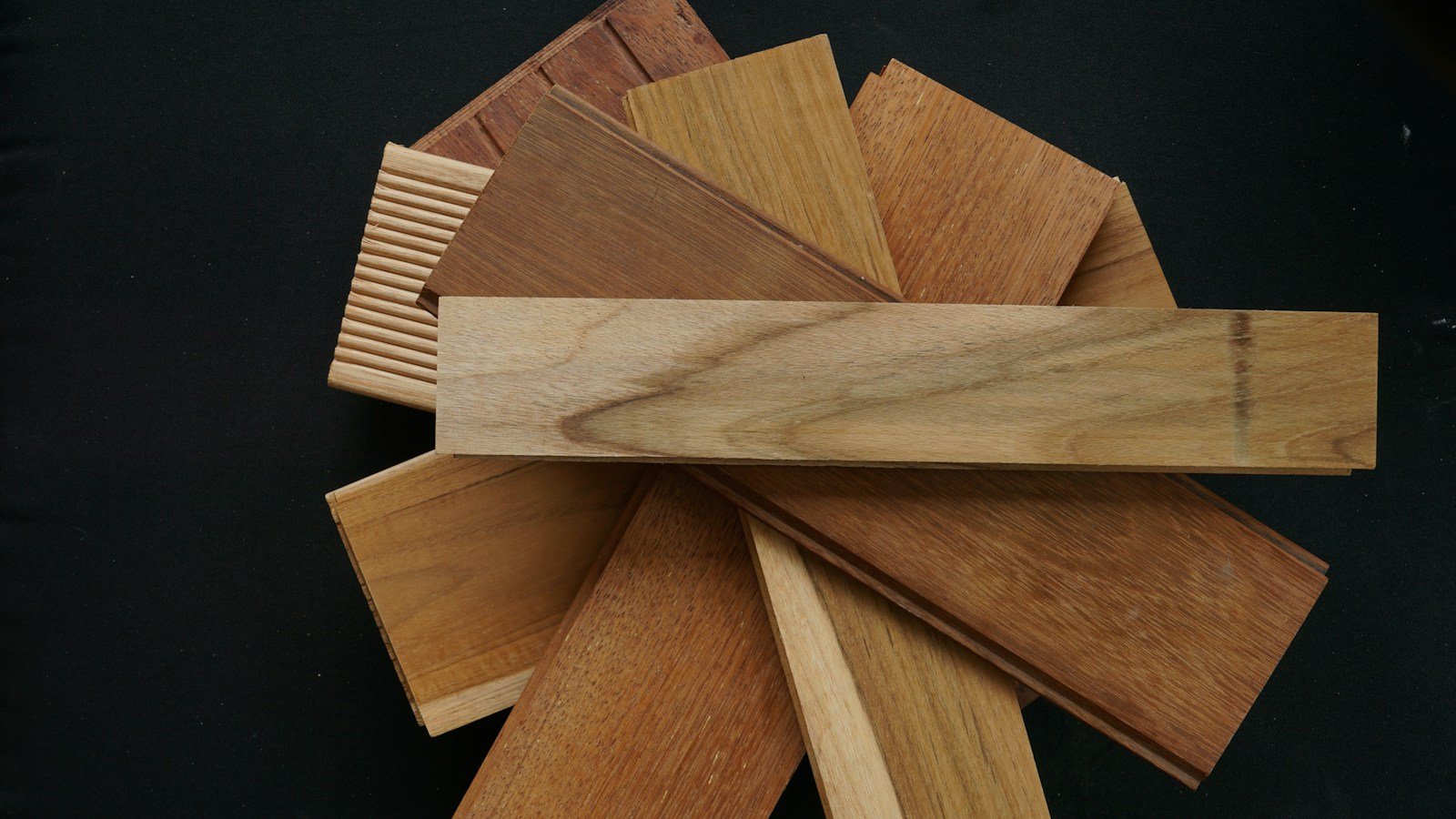
The same stain does not produce the same visual result on every species. Natural wood color, pore structure, grain contrast, sanding, and absorption all influence the finished appearance.
Ash, oak, walnut, beech, and other hardwoods each have different grain and color characteristics. If the product is changing from one species to another, the existing finish reference may need to be re-sampled rather than copied by name.
This is one reason material and finish should be confirmed together. A buyer who approves “medium walnut” on ash should not assume the same recipe will create the same commercial appearance on white oak.
For a species-level comparison, see Ash vs Oak for Furniture: Which Is Better for Wholesale Orders?.
Decide Whether You Want Clear, Stained, or Opaque Appearance
Before discussing the exact color, decide how much of the natural wood should remain visible.
Clear or lightly toned finish
This direction keeps the natural wood color and grain as the main visual feature. It suits product lines where buyers want customers to clearly see the material.
Transparent or semi-transparent stain
Stain changes the color direction while allowing grain to remain visible. This is common in solid wood furniture because it can help one species support several market styles without hiding its natural character.
Opaque paint or pigmented coating
Opaque finishes cover more of the natural wood appearance. They can be appropriate for certain collections, but they change the role of grain and material selection. Buyers should confirm whether small grain texture is expected to remain visible or whether a more uniform painted surface is required.
The correct choice depends on the product position. A natural-material collection may benefit from visible grain, while a color-driven commercial collection may prioritize a controlled painted appearance.
Treat Sheen as a Separate Approval Point
Two samples can have nearly the same color and still look noticeably different because of sheen.
A matte surface absorbs and diffuses more light, often making the furniture look quieter and more natural. Satin or semi-gloss surfaces reflect more light and can make color and grain appear deeper or sharper. High-gloss finishes create a more reflective surface and make surface preparation especially visible.
Do not rely on words such as “matte” or “satin” alone if sheen is commercially important. Supplier terminology can vary. Use an approved sample or measurable reference if your buyer or project requires a tighter definition.
Natural Variation Must Be Part of the Finish Standard
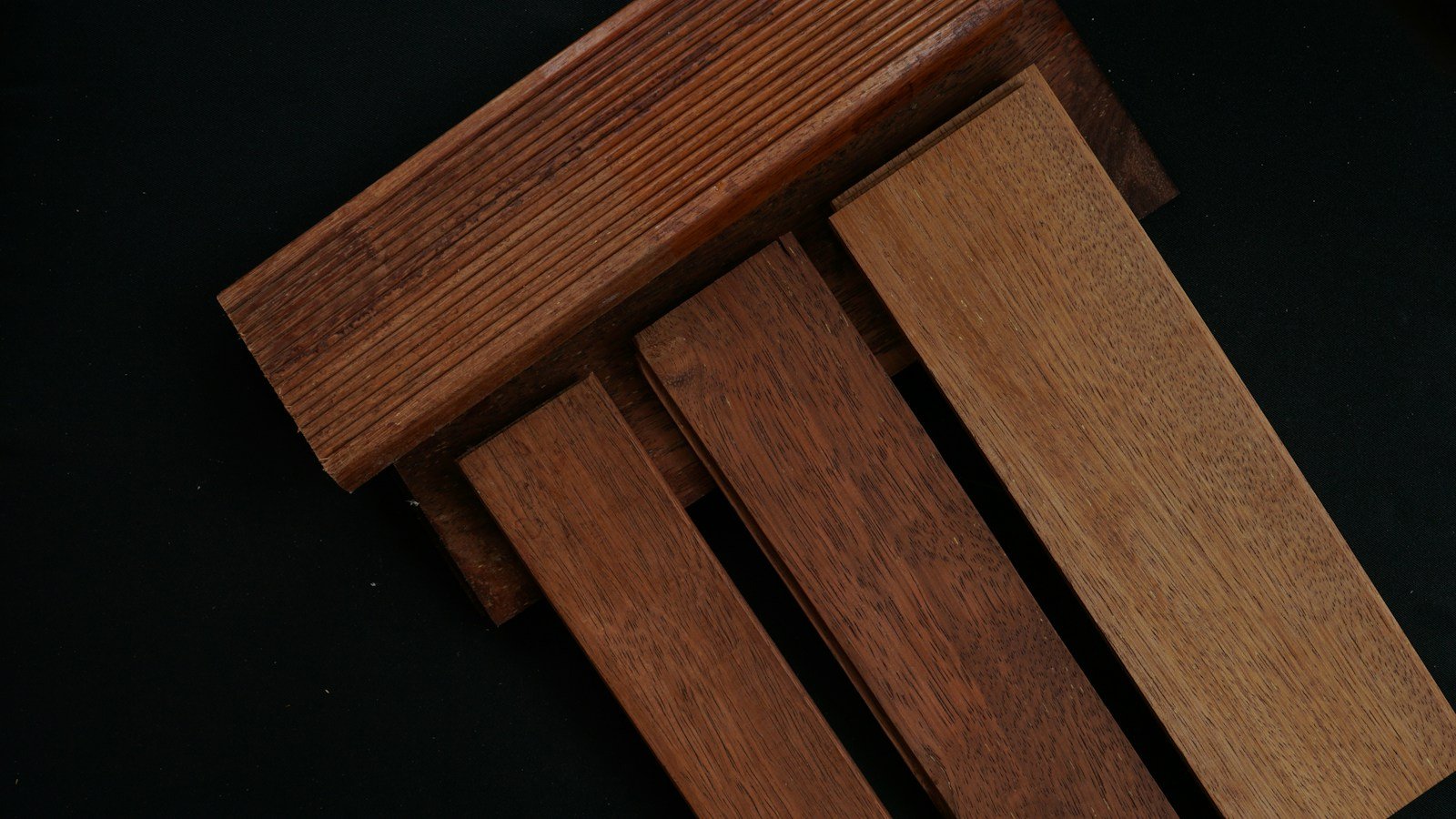
Solid wood is not a printed surface. Even when every piece receives the same finish process, the final appearance can vary because the underlying boards differ in grain, density, natural color, and absorption.
The goal for a wholesale order is normally controlled consistency, not artificial uniformity.
- Define the acceptable light-to-dark color range.
- Confirm whether sapwood or darker heartwood areas are acceptable on visible surfaces.
- Clarify how visible knots, mineral streaks, or other natural characteristics will be treated.
- Use the same approved finish reference for the production batch.
- Retain a master sample or finish board when repeat orders are expected.
Choose the Finish for the Product’s Real Use
A finish that looks good in a sample room may still be wrong for the product’s actual use.
Dining tables face repeated cleaning and visible surface wear. Chair arms and backrests receive frequent hand contact. Restaurant furniture may be cleaned more often than residential pieces. Dark finishes may show dust, scratches, or edge wear differently from lighter finishes.
Buyers should therefore tell the supplier where the furniture will be used. That does not automatically determine one universal coating system, but it gives the factory a clearer basis for recommending a commercially workable finish direction.
Do Not Approve a Finish From a Screen Alone When Color Is Critical
Digital photos are useful for direction, but screens, cameras, lighting, white balance, and compression can all shift perceived color.
For a first quotation, a reference photo may be enough to communicate the intended direction. Before bulk production, a physical sample, finish board, approved furniture sample, or another controlled reference is safer when color consistency matters.
If physical approval is not practical, document the digital reference carefully and understand that it has limitations. The important point is that both buyer and supplier are checking against the same approved reference.
For Repeat Orders, Keep the Approval Reference
Repeat-order consistency becomes difficult when the first order was approved only through chat messages and photographs.
A better system retains:
- the product code and wood species
- the approved finish sample or master board
- the stain or color reference
- the sheen direction
- the acceptable natural variation notes
- the approved upholstery reference where relevant
This does not eliminate every natural difference between batches, but it gives both sides a clearer reference when replenishment is produced months later.
How Finish Choices Affect Quotation and MOQ
Not every finish request has the same production impact. A regular color adjustment using an existing product and established finish direction may be relatively straightforward. A new coating system, unusual color effect, complex multi-step finish, or very small quantity can require extra sampling and setup.
For this reason, buyers should separate regular finish options from deeper product development. Nestul’s Customization approach follows the same principle: start with a proven product, then identify the adjustments that matter to the market.
If you are also planning a custom size, structure, or wood-material change, finish should be reviewed together with the full request because the MOQ and sampling logic may change. The broader quantity logic is explained in Furniture MOQ Explained.
A Practical Finish Approval Checklist
- Wood species and visible material standard
- Reference color or approved sample
- Clear, stained, semi-transparent, or opaque direction
- Sheen level
- Surface feel
- Acceptable natural color and grain variation
- Visible knot, sapwood, or mineral-mark expectations if important
- Intended application and cleaning environment
- Master reference retained for repeat orders
This checklist can be added to the product specification before the final quotation or sample approval. For a broader sourcing review, see What Importers Should Check Before Buying Solid Wood Furniture from China.
Final Takeaway
A good wood finish specification is not “dark walnut” or “matte natural.” It is a controlled combination of species, color, transparency, sheen, surface feel, and acceptable natural variation.
For wholesale buyers, that level of clarity reduces sample-to-bulk misunderstandings and makes repeat orders easier to manage. If you already have a product and finish direction, send the product reference, quantity, target color, and any sample or swatch through the Nestul inquiry page so the finish can be reviewed against the actual order.
Wood Finish FAQ for Wholesale Furniture
Is stain the same as a protective topcoat?
No. Stain primarily changes the color direction of the wood. A complete furniture finish may also include sealers, primers, lacquer, varnish, oil, or other coating layers depending on the system. Buyers should confirm the approved final appearance and the supplier’s complete finish process.
Which sheen is best for solid wood furniture?
There is no universal best sheen. Matte and satin finishes are common when buyers want a quieter, more natural appearance, while higher gloss creates more reflection. Choose based on product style, use, maintenance expectations, and the approved sample.
Can every piece in a solid wood order match exactly in color?
No. Natural wood varies. A supplier can control material selection and finishing within an agreed range, but buyers should approve realistic variation rather than expect identical grain and color on every piece.
Can a supplier match a finish from a photo?
A photo can communicate direction, but it is not a perfect color standard. For critical finishes, approve a physical sample, finish board, or another controlled reference before bulk production.
Should finish references be kept for repeat orders?
Yes. Retaining the approved finish reference, product specification, and acceptable variation notes gives later replenishment orders a clearer benchmark.