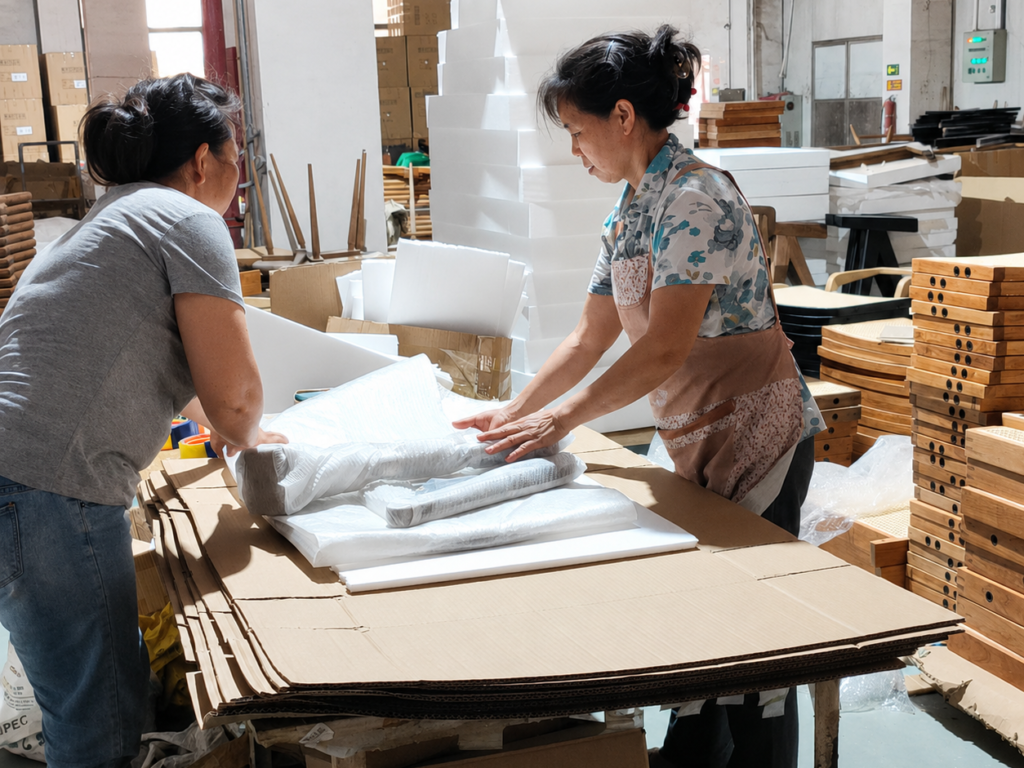
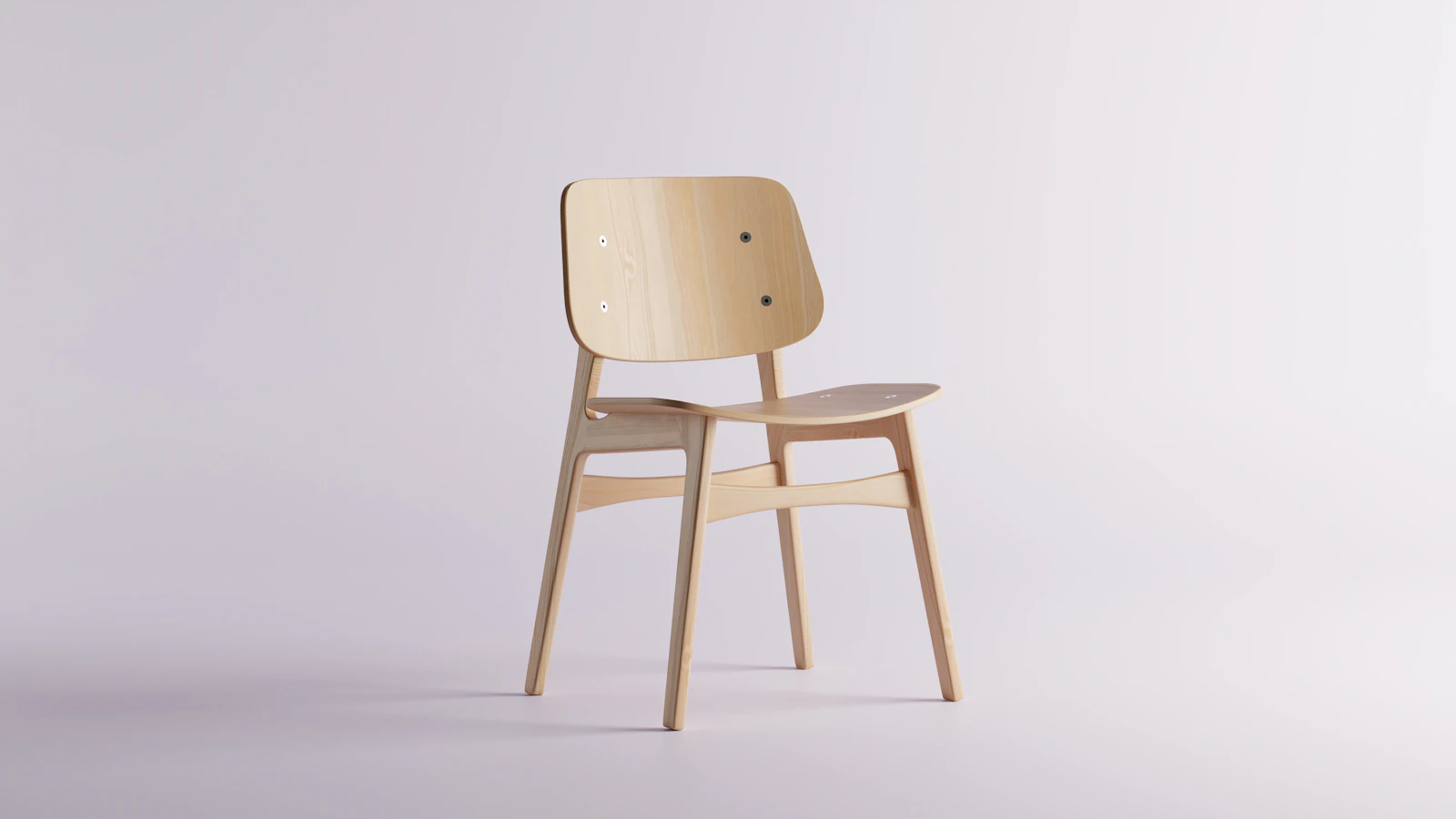
An approved furniture sample does not guarantee that bulk production will look identical piece by piece. A sample is one controlled reference; a bulk order introduces material variation, multiple operators, repeated machining, finish batches, upholstery cutting, assembly, and packing across many units.
Buyers can reduce the gap by converting the approved sample into a written specification, retaining critical material and finish references, controlling substitutions, checking the first bulk units, and inspecting production before shipment.
A Sample Is a Target, Not a Complete Production System
A good sample proves that a product can be made in the approved direction. It does not automatically prove that the same result can be repeated across 50, 200, or 1,000 pieces without a production control system.
The sample may have received more individual attention, selected material, repeated adjustments, or extra finishing time. Bulk production needs the approved details to be translated into repeatable rules.
Why Material Variation Appears in Bulk Production
Solid wood, veneer, fabric, leather, stone, and other natural or batch-produced materials can vary.
For solid wood, differences in grain, natural color, sapwood, heartwood, knots, and absorption can influence the finished appearance. For fabric, different dye lots can create visible color differences. For hardware or purchased components, a change of supplier can alter dimensions, color, or function.
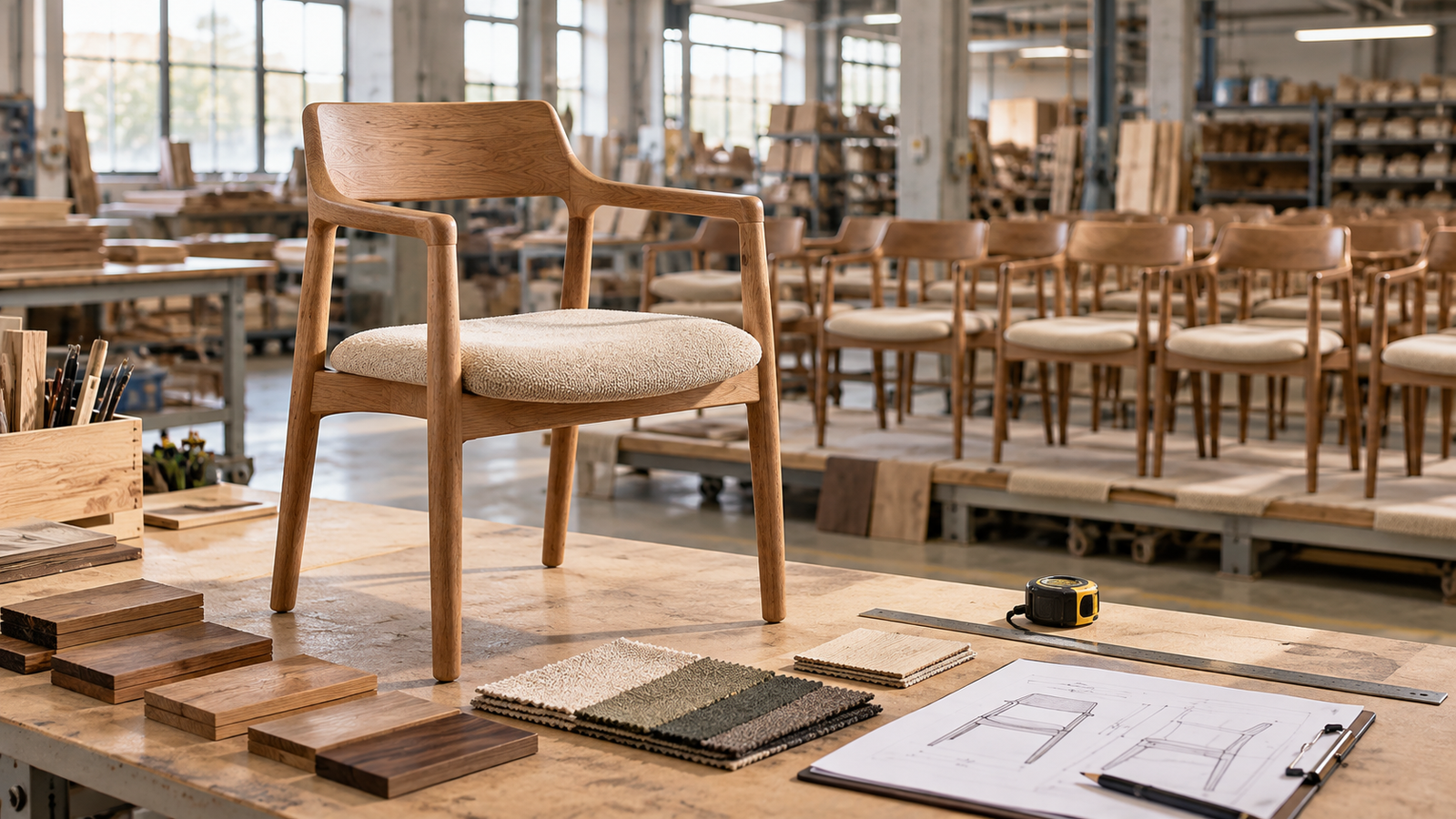
The objective is not to remove all natural variation. It is to define what variation is commercially acceptable and what would fall outside the approved direction.
Why Finish Color Can Drift From the Sample
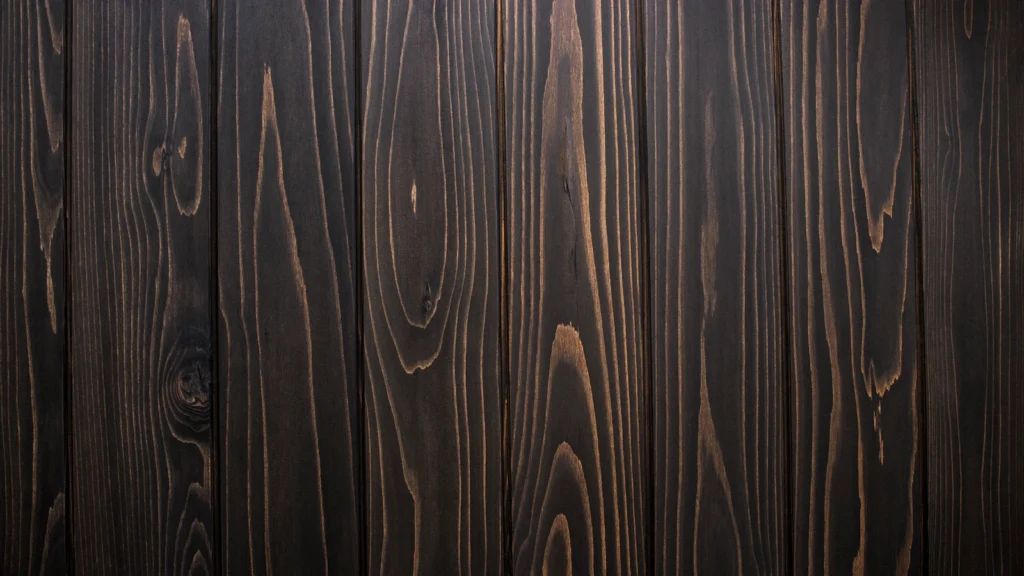
Finish appearance depends on more than the stain formula. Wood selection, sanding, moisture condition, application, drying, coating thickness, lighting, and natural substrate variation can all influence the result.
If a distributor expects repeatable color, retain the approved finish board or master sample and define an acceptable range. A photo alone is a weaker control because camera and screen conditions can shift perceived color.
The finish-approval process is covered in How to Choose a Wood Finish for Solid Wood Furniture.
Why Dimensions and Assembly Can Drift
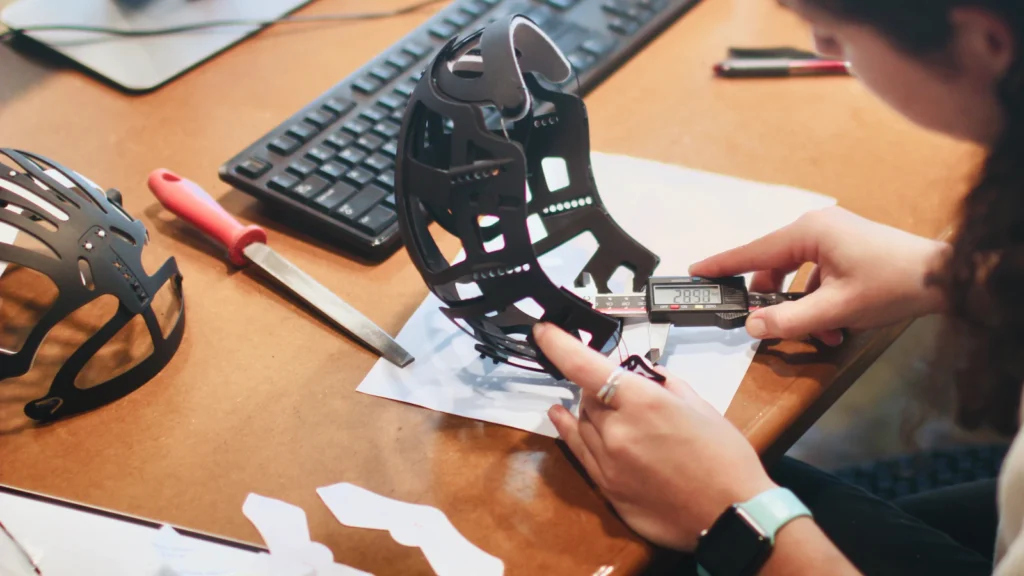
A one-off sample can be adjusted manually until it fits. Bulk production depends on repeated cutting, drilling, machining, assembly, and hardware installation.
Variation can appear when drawings are incomplete, jigs or machine settings change, components come from different batches, or operators interpret a detail differently.
Critical dimensions, joint positions, hole locations, and assembly details should therefore be written into the bulk-production reference rather than left only in the sample.
Why Upholstery Can Look Different in a Production Batch
Upholstered furniture introduces additional variables:
- fabric or leather lot variation
- cutting direction and pattern placement
- foam or cushioning consistency
- sewing tension and seam position
- how tightly the cover is fitted to the frame
The sample should identify the target, while production documents should record the material code, color, seam direction, and other details that matter to the final appearance.
Substitutions Create One of the Largest Sample-to-Bulk Risks
A buyer may approve one material or hardware component, while bulk production later uses an “equivalent” alternative because the original is unavailable or expensive.
That substitution may be harmless—or it may change color, dimensions, durability, assembly, packing, or product feel.
The safest rule is simple: critical substitutions should require buyer approval before they enter bulk production. Define which materials or components are locked and which can be replaced within an agreed standard.
Convert the Sample Into a Production Specification
After sample approval, record the details that production must repeat.
- final dimensions and drawings
- wood species and component materials
- finish reference and sheen
- upholstery code and color
- hardware
- assembly method
- approved custom changes
- packing direction
- critical inspection points
If the buyer still needs to decide which type of sample is appropriate, see Finish Swatch, Material Sample, or Full Furniture Sample.
Check the First Bulk Units Before the Whole Order Is Finished
One of the most effective ways to reduce sample-to-bulk drift is to check an early production unit or the first group of finished pieces.
This can reveal repeated problems before they spread through the full batch:
- wrong dimensions
- finish color moving away from the approved reference
- hardware mismatch
- incorrect upholstery direction
- assembly gaps or alignment issues
- packing that does not fit the final product
A late final inspection can still catch problems, but correction is more expensive after the full quantity has been finished and packed.
Use Multi-Stage Quality Checks, Not Only Final Inspection
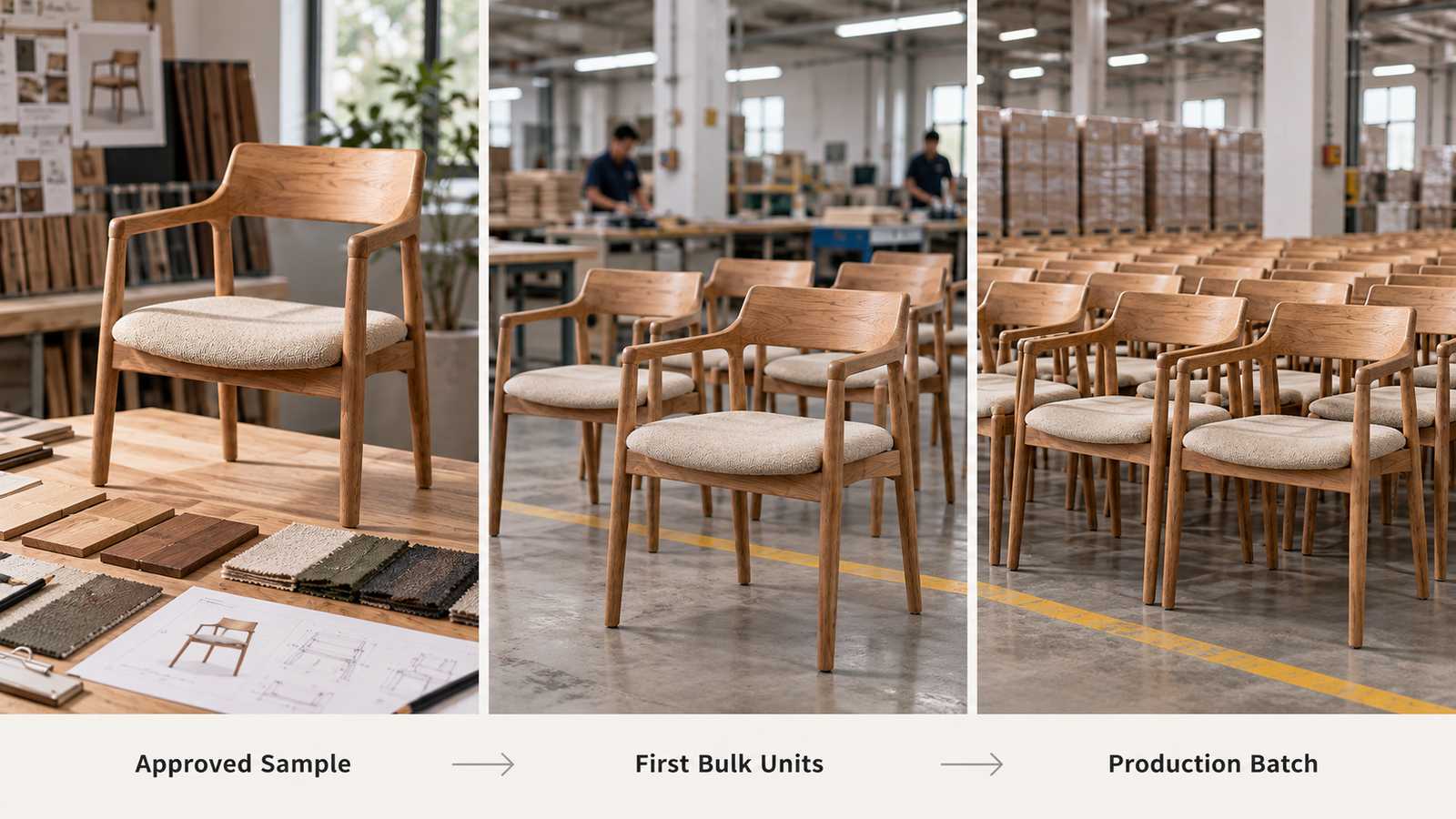
For Nestul’s core solid wood line, quality review is separated into three checkpoints: the unfinished-product stage, after finishing, and before packing. Products are photographed before shipment, and individual product numbering is used for record keeping.
This staged process is designed for the standard solid wood line. Non-standard commercial custom programs may need their own inspection plan based on the product and project requirements.
A practical final checklist is available in Furniture Quality Inspection Checklist Before Shipment.
Do Not Define Bulk Quality as “Exactly the Same as the Sample”
Some sample characteristics should repeat closely: dimensions, construction, hardware, approved finish direction, upholstery code, and workmanship standard.
Other characteristics naturally vary: wood grain, natural color, some stone patterns, and certain material textures.
A stronger production standard separates these two groups. Buyers should define what must match, what may vary within an approved range, and what would count as a defect.
This article does not set universal defect limits; the detailed distinction between normal solid-wood variation and defects is reserved for What Quality Variations Are Acceptable in Solid Wood Furniture.
Retain Records for Repeat Orders
The first bulk order should create the reference set for future replenishment.
- product code
- approved specification
- finish and upholstery references
- approved custom-change records
- inspection photos
- packing details
- known issues and corrections from the first order
This makes the second order easier to control than starting from old chat messages and memory.
A Buyer Checklist for Reducing the Sample-to-Bulk Gap
- Approve the right sample for the decision.
- Turn the approved sample into written production specifications.
- Lock critical materials and components.
- Retain finish and upholstery references.
- Check first bulk units where the order risk justifies it.
- Use in-process and pre-shipment quality checks.
- Record approved changes and corrections.
- Keep the final reference set for repeat orders.
Final Takeaway
The sample-to-bulk gap is usually reduced by better specification and process control, not by demanding that a natural material product look mechanically identical.
Approve the sample, document what matters, control substitutions, check early production, and inspect the finished order against the same references. That turns one good sample into a repeatable wholesale product.
If you are moving from sample approval into bulk production, send the product specification, quantity, finish reference, and custom points through the Nestul inquiry page so the production and inspection references can be aligned before the order moves forward.
Sample vs Bulk Production FAQ
Why can a bulk furniture order differ from the approved sample?
Bulk production introduces material batches, repeated machining, multiple operators, finishing variation, upholstery work, assembly, and packing across many units. The sample must therefore be converted into repeatable production controls.
Should bulk furniture look exactly identical to the sample?
Critical specifications should match the approved reference, but natural materials can show controlled variation. The buyer should separate required consistency from acceptable natural variation.
What is the most important step after approving a sample?
Document the final dimensions, materials, finish, upholstery, hardware, custom changes, and critical inspection points so production is not relying on memory.
Can final inspection alone prevent sample-to-bulk differences?
No. Final inspection can identify problems, but earlier material, first-off, in-process, and finish checks can catch repeated issues before the full order is completed.