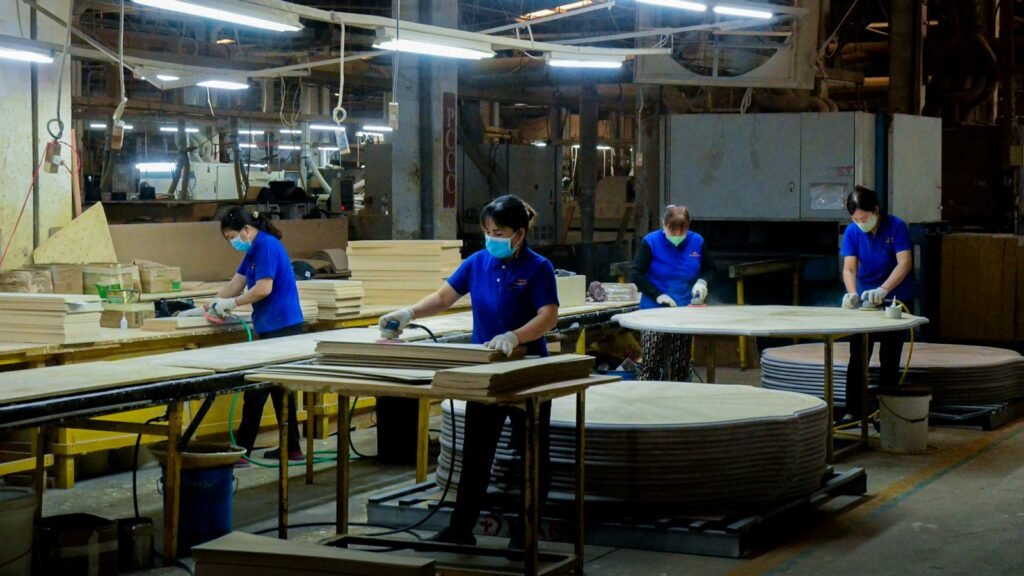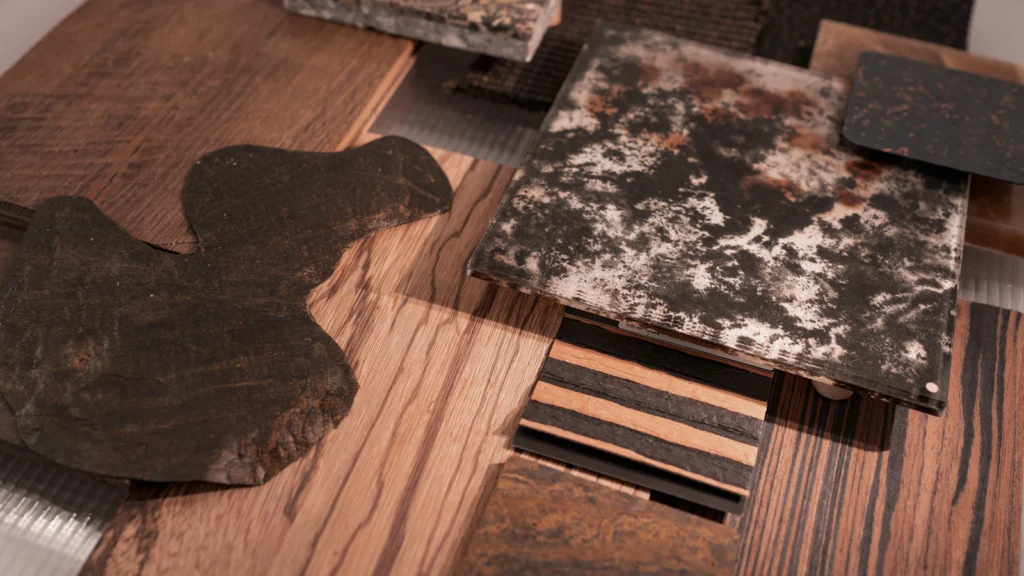
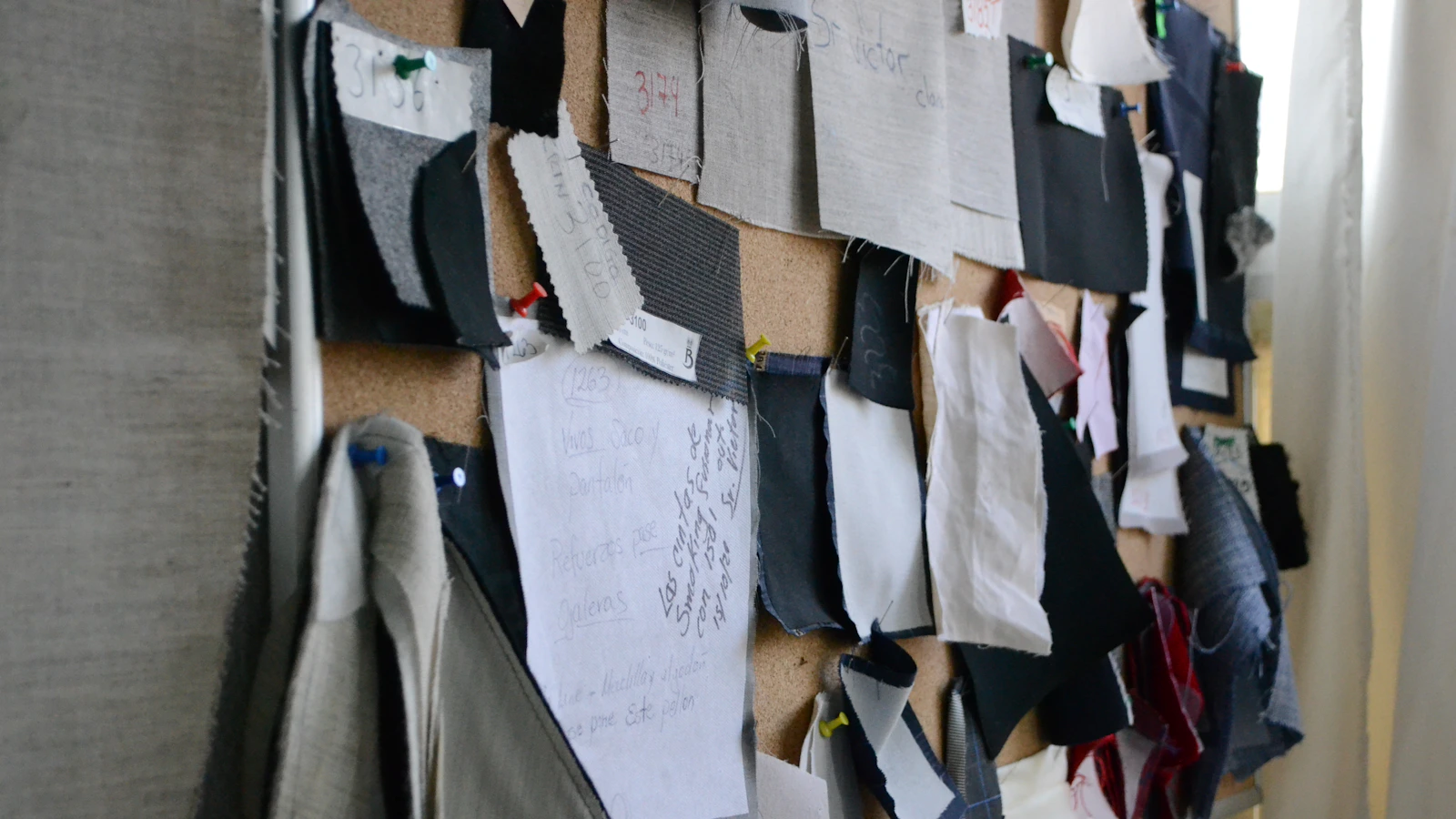
Buyers do not always need a full furniture sample before bulk production. A finish swatch is usually enough to approve color and sheen, a material sample is better when the fabric, leather, wood, foam, hardware, or other component itself must be confirmed, and a full furniture sample is most useful when size, structure, comfort, proportions, workmanship, or multiple materials need to be evaluated together.
The right sample should match the risk you are trying to remove. Requiring a full sample for every decision adds cost and lead time; relying on a small swatch for a structural decision creates the opposite problem.
Use the Smallest Sample That Can Answer the Real Question
- Finish swatch / color board: approve color, stain direction, sheen, and surface feel.
- Material sample: approve a component such as wood, fabric, leather-look material, foam, metal finish, hardware, or veneer.
- Full furniture sample: evaluate the complete product—dimensions, proportions, structure, comfort, assembly, workmanship, finish, upholstery, and overall appearance.
For a standard product with only a finish-color change, a full sample may be unnecessary. For a new chair developed from a reference image, a finish board alone cannot prove that the seat height, back angle, joinery, or comfort is correct.
Choose a Finish Swatch When Color Is the Main Decision
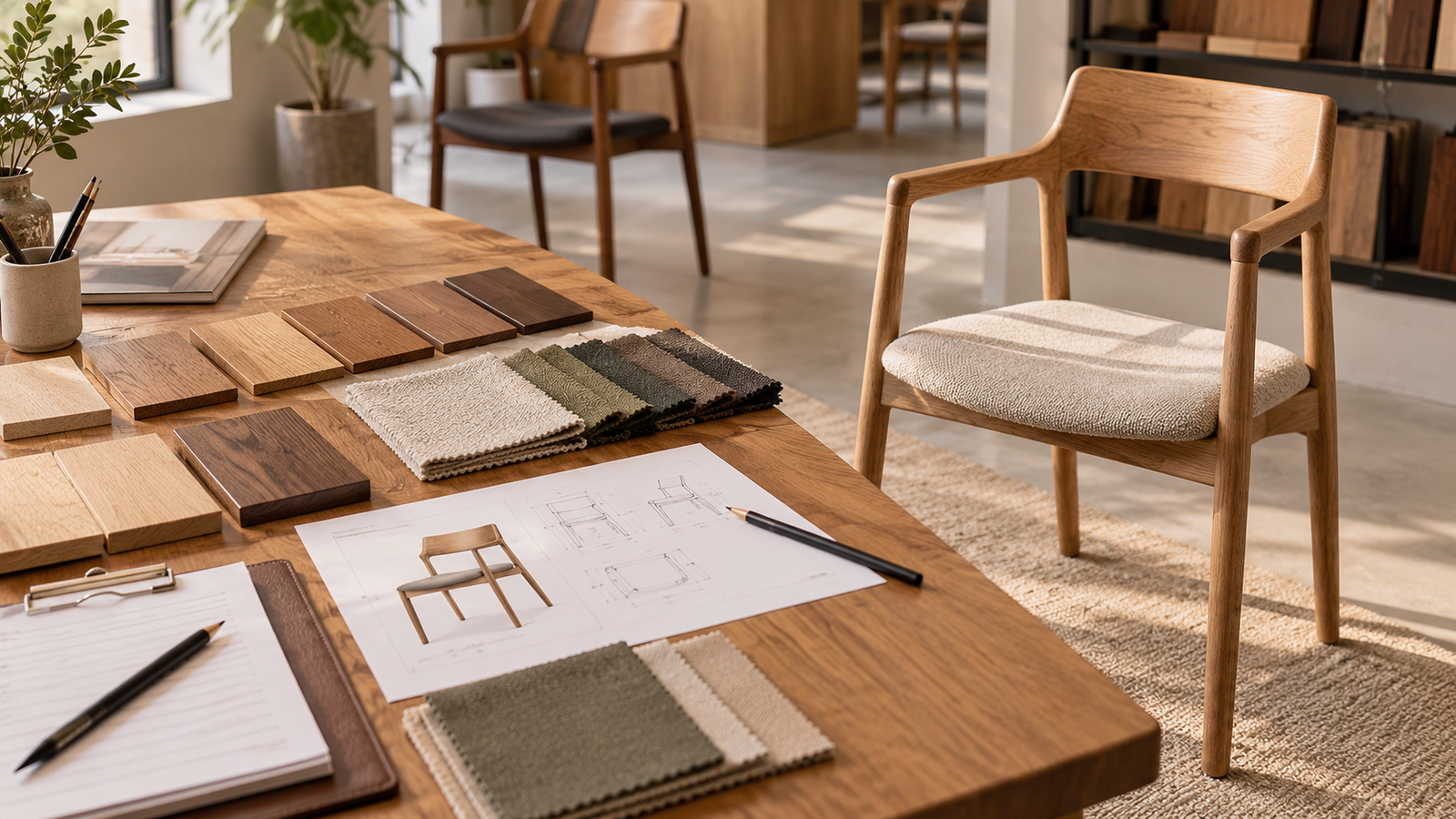
A finish swatch, wood color board, or small coated panel is efficient when the product design is already approved and the buyer mainly needs to confirm the finish direction.
Use it to review:
- color tone
- stain transparency
- sheen
- surface feel
- how visible the wood grain remains
For solid wood, the swatch should be made on the same species when possible because the substrate affects the result. It should also be treated as a reference range rather than proof that every natural board will look identical.
For a detailed finish-approval checklist, see How to Choose a Wood Finish for Solid Wood Furniture.
Choose a Material Sample When the Component Itself Matters
A material sample is more useful than a finish swatch when the buyer needs to approve what the product will actually be made from.
- wood species or visible grade direction
- fabric composition, texture, hand feel, or color
- leather or leather-look material
- foam or cushioning direction
- metal finish
- hardware style and finish
- veneer or panel surface
Material samples are especially useful when a special fabric, wood, or hardware choice could affect MOQ, cost, or lead time. They let the buyer confirm the material before the factory commits it to a full prototype.
Choose a Full Furniture Sample When Several Risks Need to Be Checked Together
A full sample becomes more valuable when the decision cannot be separated into one material or finish question.
For a chair, a complete sample can reveal seat height, back angle, comfort, frame proportions, joint appearance, upholstery tension, finish, and overall workmanship at the same time.
For a table, the buyer can evaluate top thickness, leg position, stability, edge details, knock-down connections, finish, and packing concept. For a sofa or bed, a full sample may be needed to judge scale, comfort, structure, upholstery fit, and assembly.
A Full Sample Does Not Replace a Written Specification
One of the biggest sample-to-bulk risks is approving a physical sample without converting the approved details into written production references.
The bulk order should still record:
- product dimensions
- material specification
- finish and upholstery references
- hardware and assembly method
- approved custom changes
- packing direction
- any buyer-specific inspection or testing requirement
The sample shows the target. The specification tells production which details must be repeated.
Standard Products Often Need Less Sampling
If a buyer selects an existing model with the standard material, structure, and packing, the sampling requirement can be lighter.
For example, a distributor ordering a proven dining chair in a different stain may only need the product specification plus a finish approval. A full sample becomes more useful if the buyer changes the seat height, back angle, wood species, upholstery construction, or another feature that affects the complete product.
This is one reason starting with a proven product can reduce development time and make first orders easier to control.
Custom Products Need a Clear Sample Sequence
For a deeper custom request, a practical sequence can be:
- Confirm the drawing, dimensions, and material direction.
- Approve critical materials or finish swatches.
- Build the full sample or prototype.
- Record revisions clearly.
- Approve the final version as the bulk-production reference.
Do not move into bulk production with several unresolved sample comments still circulating in chat. The latest approved version should be obvious to both buyer and factory.
When Can Buyers Approve From Photos or Video?
Photos and video can be efficient for confirming obvious dimensional changes, overall shape, component position, packing layout, or progress on a known standard product.
They are less reliable for exact color, sheen, material hand feel, seat comfort, cushioning, and subtle surface quality. When those points are important, physical references are safer.
Which Sample Should You Keep for Repeat Orders?
Keep the reference that controls the risk most likely to drift in later production.
- Retain a finish board for color-sensitive solid wood products.
- Retain fabric or leather samples for upholstered repeat orders.
- Retain the approved specification and photos for standard products.
- For a deeply customized product, retain the approved full sample or a complete documented reference where practical.
This supports later replenishment and gives the inspection team a clearer benchmark when the same SKU is produced again.
A Simple Sample Decision Table
- Only finish color changes: finish swatch or color board is usually the first choice.
- Fabric or material changes: material sample plus finish reference.
- Size or structural changes: full sample is usually more useful.
- New product from reference image: full development sample after materials and drawings are aligned.
- Repeat order of an established SKU: retained specification and critical approval references may be enough unless something changed.
If your request also changes size, structure, wood material, or major style details, review the MOQ implications in What Can Be Customized in Wholesale Furniture Orders and Furniture MOQ Explained.
Final Takeaway
Do not order the largest sample by default. Order the sample that can prove the decision you actually need to make.
Use finish swatches for color and sheen, material samples for component approval, and full furniture samples when the complete product must be checked. Then convert the approved result into a written bulk-production reference.
If you already have a product, drawing, finish target, or reference image, send it with the estimated quantity through the Nestul inquiry page. The sample route can then be matched to the actual product and customization level.
Furniture Sample FAQ
Do I need a full furniture sample for a color change?
Usually not. If the product structure and material are already approved, a finish swatch or color board may be enough. A full sample becomes more useful when several product variables change together.
Is a finish swatch enough to approve solid wood furniture?
It can approve finish direction, but not structure, dimensions, comfort, or complete workmanship. Use it only for the questions a swatch can answer.
Should the buyer keep the approved sample?
Keep the critical reference where practical. That may be a finish board, material swatch, approved full sample, specification, or documented set of approval photos.
Can photos replace a physical sample?
They can help with shape, dimensions, configuration, and progress review, but they are less reliable for exact color, sheen, hand feel, cushioning, and comfort.