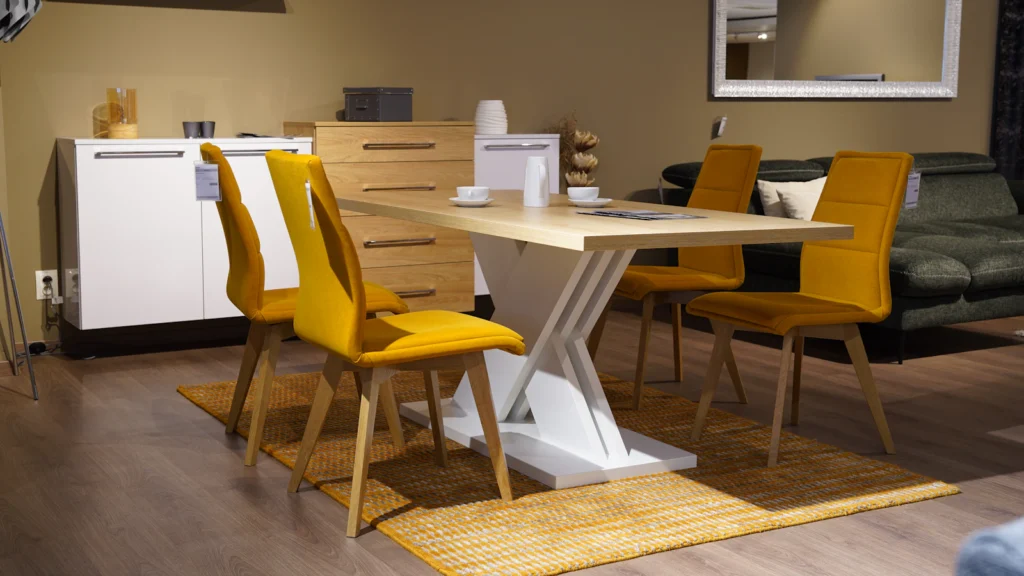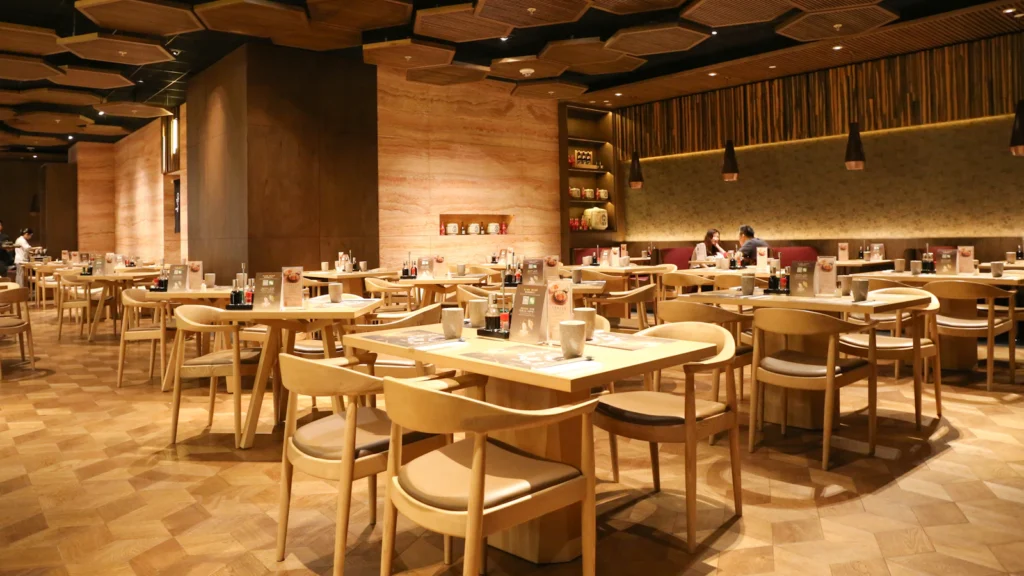

The main difference between commercial and residential dining chairs is not a design label—it is the expected use condition and the specification behind the chair. Commercial chairs may face more frequent movement, higher turnover, repeated cleaning, stricter project documentation, and buyer-specific testing requirements. Residential chairs are often selected for lower-frequency household use and may prioritize different comfort, styling, and cost trade-offs.
Wholesale buyers should compare construction, dimensions, materials, finish, upholstery, maintenance, testing requirements, and repeat-order needs before deciding whether a chair is appropriate for a commercial or residential program.
“Commercial” Is Not a Complete Specification
A supplier may describe a chair as commercial, contract, hospitality, restaurant, or residential. Those terms are useful for positioning, but they do not tell the buyer exactly how the chair is built or which test it meets.
Before ordering, confirm the actual product specification and any destination-market, customer, or project requirement. If formal testing is needed, identify the required method and acceptance criteria instead of assuming that one “commercial furniture standard” applies everywhere.
Commercial Use Usually Means More Repeated Daily Handling
In restaurants, cafés, hospitality areas, meeting spaces, and other shared environments, chairs may be pulled out, moved, cleaned, rearranged, and occupied many times during the day.
That makes the following points especially important:
- joint design and frame rigidity
- seat and back connections
- hardware retention
- floor glides and contact points
- finish durability for the intended cleaning routine
- serviceability and replacement parts
A residential chair can still be well built, but the buyer should not assume that an attractive home-use chair has been designed or tested for the same usage pattern.

Construction Should Match the Intended Use
For either market, buyers should review the chair as a complete structure.
- wood species and frame sections
- mortise-and-tenon, dowel, screw, bolt, or other joint systems where relevant
- seat support and attachment
- backrest connection
- arms and stretchers where used
- hardware and replaceable components
There is no benefit in adding unnecessary material just to make a chair heavier. Efficient commercial construction is about reliable structure and repeatable production, not maximum weight.
Dimensions and Comfort May Be Optimized Differently
A residential buyer may accept a deeper or wider chair because there is more room around a home dining table. A restaurant may need a more compact footprint to support aisle clearance and seat count.
Commercial buyers should check:
- overall width and depth
- seat height
- table clearance
- arm height where applicable
- ease of moving the chair
Comfort still matters in both settings. The difference is that a commercial chair often needs to balance comfort with space efficiency, service flow, and frequent movement.
Finish Requirements Can Differ Because Cleaning Is Different
Home dining chairs may be cleaned occasionally. Restaurant chairs may be wiped repeatedly and may face more contact with food, drinks, cleaning products, bags, clothing, and table edges.
The buyer should confirm the intended cleaning environment and then approve the finish system, color, sheen, and surface standard accordingly. Do not assume a finish is “commercial grade” without understanding what the term means for that supplier and product.
Finish selection and acceptable natural variation are covered in How to Choose a Wood Finish and What Quality Variations Are Acceptable in Solid Wood Furniture.
Upholstery Needs More Attention in Commercial Programs
Residential upholstery can prioritize softness, hand feel, and style. Commercial programs often add cleaning, abrasion, stain, fire-performance, replacement, and documentation requirements depending on the project and market.
This does not mean one universal fabric specification exists for every restaurant or hotel. Buyers should provide the required performance level or test method when it matters and confirm that the selected fabric or leather-look material is supported by the necessary documentation.

Commercial Buyers Usually Need Better Traceability
A distributor, restaurant group, or project buyer may need to reorder the same chair later or identify one affected unit from a larger shipment.
Useful controls include:
- stable product codes
- approved finish and upholstery references
- carton marks
- pre-shipment photos
- recorded custom changes
- packing specifications
For Nestul’s core solid wood line, product numbering and pre-shipment photography are used as part of the quality-record process.
Packing Can Be More Important in Commercial Orders
Commercial orders may involve larger quantities, project receiving schedules, warehouse handling, or site distribution. Packing should therefore protect the product while also supporting identification and efficient receiving.
For chairs, review carton configuration, surface protection, corner protection, hardware placement where applicable, carton marks, and whether the packing method is appropriate for the shipment route.
The pre-shipment review is covered in Furniture Quality Inspection Checklist Before Shipment.
Commercial Programs Need a Replenishment Plan
A one-time residential retail SKU and a recurring restaurant chair program have different business needs.
Commercial buyers should consider:
- whether the model can be repeated later
- whether finish and upholstery references will be retained
- whether replacement components can be supplied
- MOQ for repeat orders
- whether the same packaging and labels can be reproduced
A Practical Commercial vs Residential Comparison
- Use frequency: commercial seating often faces more repeated daily handling.
- Space: commercial layouts may prioritize compact dimensions and circulation efficiency.
- Finish: cleaning and contact frequency may be higher in commercial use.
- Upholstery: commercial programs may require additional performance documentation.
- Testing: project- and market-specific requirements are more likely to be specified for commercial orders.
- Traceability: product codes, records, and repeat-order references are often more important.
- Packing: larger B2B quantities make identification and receiving more important.
If you are selecting chairs for a restaurant or café, also review How to Choose Solid Wood Dining Chairs for Restaurants and Cafés.
Final Takeaway
The commercial-versus-residential distinction is useful only when it leads to a clearer specification. Buyers should define the real use condition, then confirm structure, dimensions, materials, finish, upholstery, maintenance, testing, packing, and replenishment.
If you have a target application, quantity, market, and chair reference, send them through the Nestul inquiry page. The product can then be reviewed against the actual commercial or residential use rather than a generic label.
Commercial vs Residential Dining Chair FAQ
Is a commercial dining chair always stronger than a residential chair?
Not automatically. “Commercial” is a positioning term unless the construction and any required test criteria are defined. Compare the actual specification and intended use.
Can a residential chair be used in a restaurant?
Possibly, but buyers should first confirm whether its structure, dimensions, finish, upholstery, maintenance, and any required commercial tests are suitable for that application.
Do all restaurant chairs need the same test certification?
No universal requirement applies to every market and project. Confirm legally required items, buyer-specific requirements, and any requested test method for the destination and application.
Why does repeat-order ability matter more for commercial furniture?
Restaurants, hospitality groups, and distributors may need later replenishment or replacement units. Stable product codes and retained finish, upholstery, and specification references make that easier to manage.