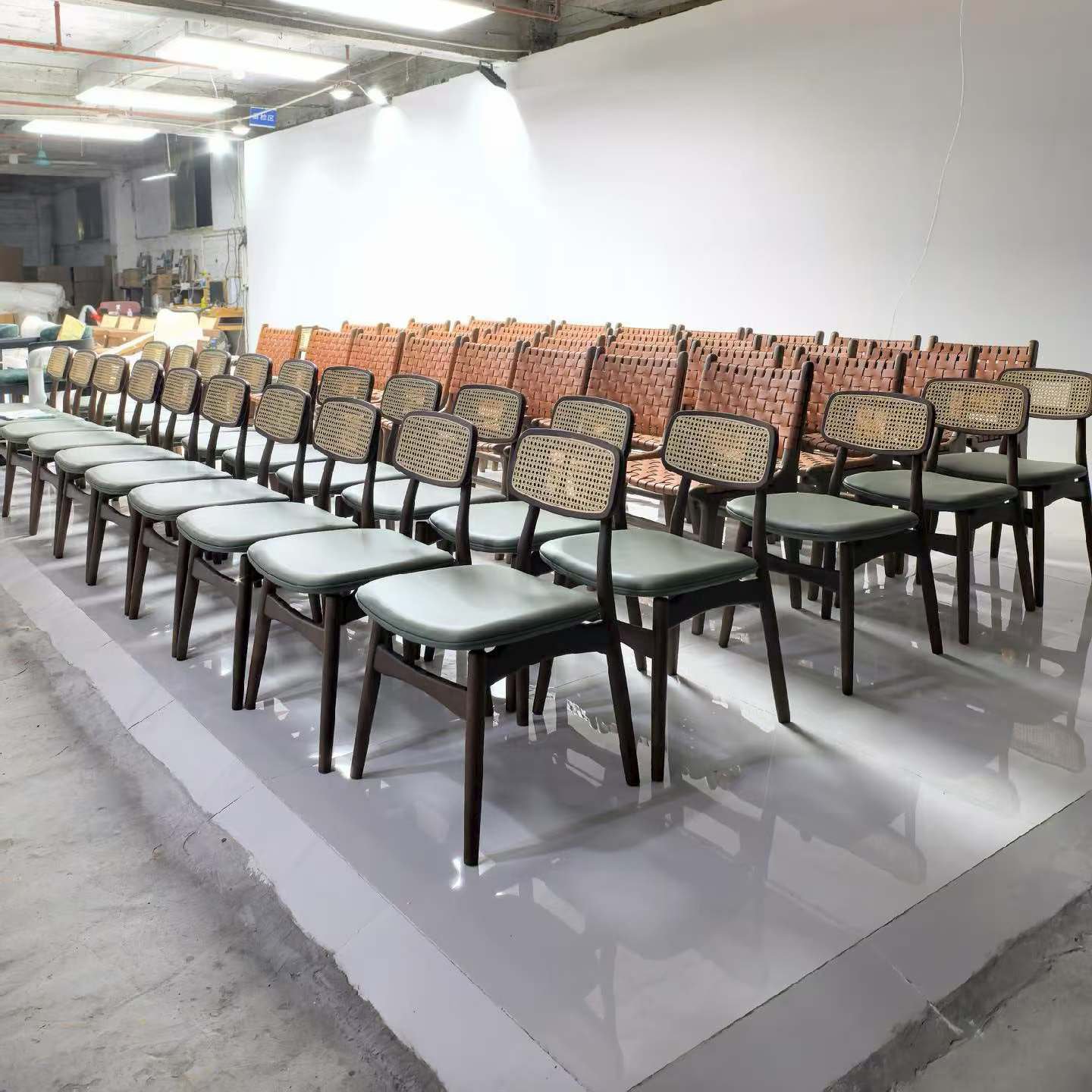
A mixed furniture container can help buyers build a broader first order, but container space and MOQ are two different constraints. The container answers how much can physically ship together; MOQ answers the minimum commercially workable quantity for each model, finish, material or customization setup.
For importers and distributors, the safest planning method is to build the order SKU by SKU first, then check total carton volume, weight, loading sequence and container utilization. Do not start with “one container” and assume any product mix will automatically be accepted.
A Full Container Is Not the Same as Meeting MOQ
A buyer may have enough total furniture to fill a container while still ordering too few pieces of several individual models. This is common when a first assortment contains many chairs, tables, lounge chairs and finishes.
MOQ can be driven by repeated machining, material purchasing, finish setup, upholstery cutting, hardware, packaging and production scheduling. Container capacity is a logistics calculation. The two interact, but one does not replace the other.
The broader MOQ logic is explained in Furniture MOQ Explained.
Plan Quantity Per SKU Before Calculating Container Space
Start with a simple order matrix. For every model, record:
- product code
- quantity
- finish
- upholstery or material option
- assembled or knock-down packing
- carton dimensions
- cartons per product quantity
- gross weight if available
Only after the SKU quantities are commercially workable should the buyer combine the carton data into the container-loading plan.
Too Many Variants Can Fragment an Otherwise Large Order
One chair model in one finish is different from the same total quantity split across four finishes and three upholstery colors.
Every additional variant can create another color setup, material purchase, cutting batch, carton mark or production reference. The total order may be large, while each individual production batch becomes small.
For a first mixed container, concentrate quantity on fewer combinations. Additional colors can be introduced after the buyer knows which SKUs actually sell.
Standard Products Are Easier to Mix Than Deep Custom Products
Existing products with established dimensions, structures and packing are normally easier to combine in one order than several newly developed designs.
Nestul’s current customization logic follows this sequence: standard products first, practical finish or upholstery adjustments second, and deeper changes only when the quantity and production conditions are commercially workable. Major size, structure, wood-species or style changes require separate MOQ and feasibility review.
For Nestul’s general deeper-customization reference, dining-chair changes are around 50+ pieces, while tables, leisure chairs and coffee tables are around 30+ pieces. These are working commercial references rather than universal guarantees, and the actual MOQ depends on the product and requested change.
See What Can Be Customized in Wholesale Furniture Orders for the boundary between regular options and deeper development.
Use Carton Data, Not Product Dimensions, for Loading Estimates
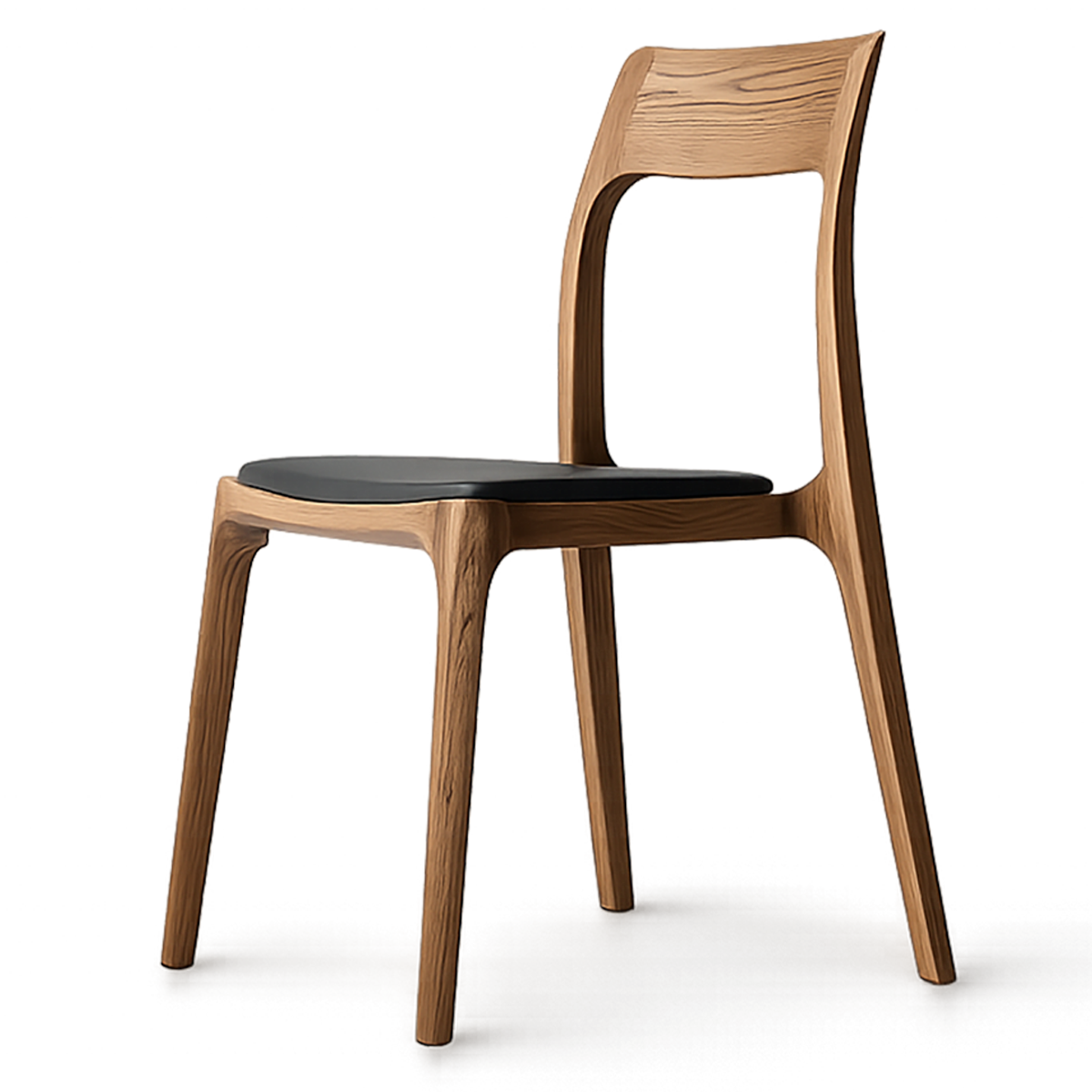
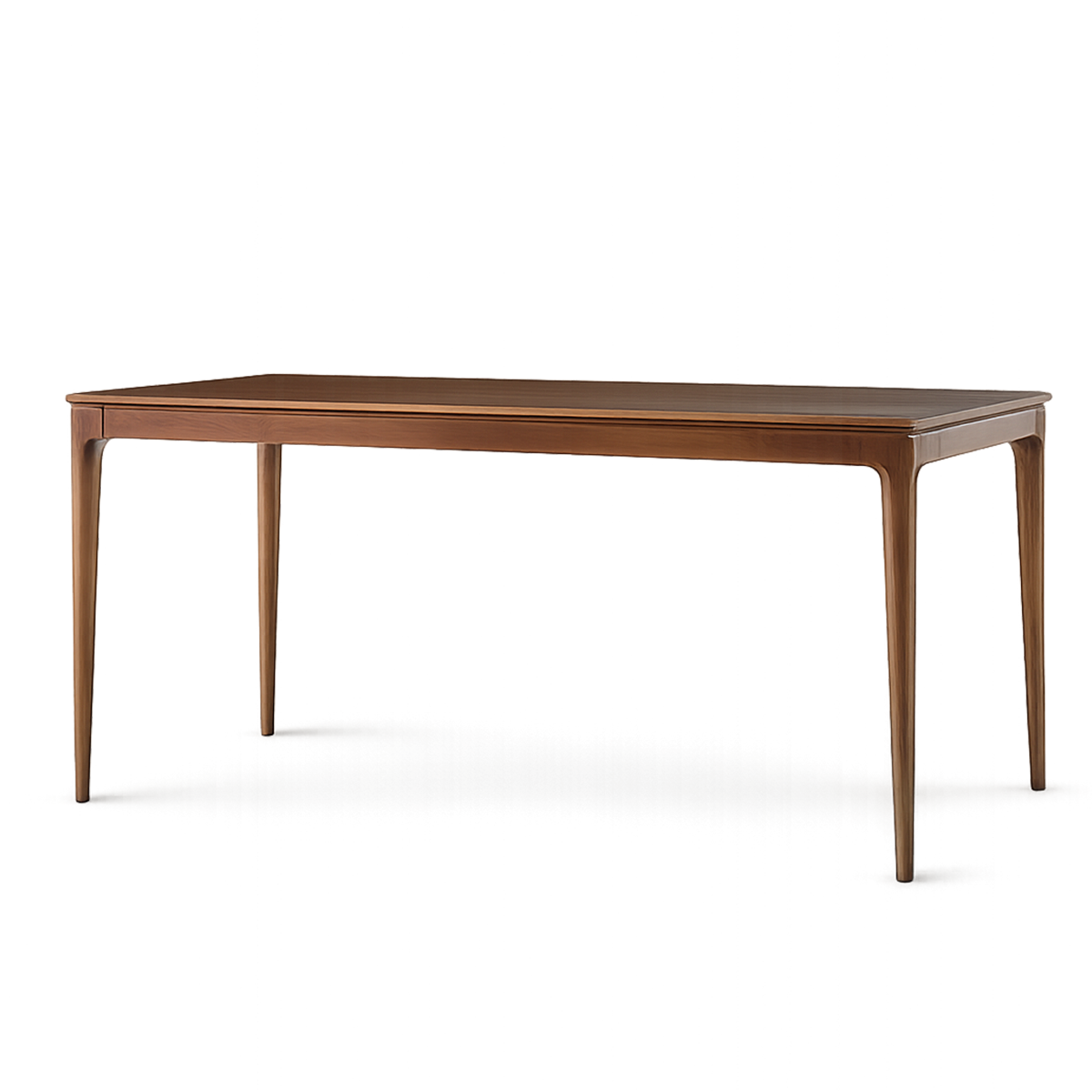
A dining chair may stack two pieces per carton, while another chair ships one per carton. A table may use separate cartons for the top and legs. A sofa can require several large packages. Product dimensions alone therefore do not tell you how efficiently a mixed order will load.
Use the actual packing dimensions and carton count for each SKU. If packing has not yet been confirmed, treat the container calculation as provisional.
CBM Is Useful, but It Is Not the Whole Loading Plan
Adding carton cubic volume gives a useful first estimate. Real loading still needs allowance for carton shape, orientation, fragile surfaces, heavy items, stacking restrictions and usable container dimensions.
A theoretical calculation that reaches exactly 100% of container volume is not a realistic loading target. The supplier or forwarder should review the actual carton list and loading arrangement.
Packing Compatibility Matters in Mixed Orders
A mixed container can contain very different risk profiles. Chairs may be stack-packed, tables may have knock-down components, and sofas may have large upholstered surfaces that cannot carry the same load as compact cartons.
Before finalizing the mix, confirm:
- which cartons can be stacked
- which items need upright orientation
- where heavy cartons should be positioned
- whether glass, stone or vulnerable surfaces need separation
- how hardware and knock-down components are identified
- how product codes and carton marks will support unloading
Mixed Orders Need Better Receiving Information
The more SKUs in a shipment, the more important carton identification becomes. A warehouse receiving five chair models in several finishes needs to know which cartons belong to which item without opening everything.
Ask for a packing list that clearly connects product codes, quantities and carton counts. If the buyer has its own carton-mark or barcode requirement, include it before production and packing rather than adding it after the goods are finished.
A Practical Mixed-Container Planning Sequence
- Shortlist the products.
- Confirm quantity per SKU.
- Confirm finish and upholstery variants.
- Check MOQ and customization feasibility per SKU.
- Collect carton dimensions and carton counts.
- Estimate total CBM and weight.
- Review the physical loading sequence.
- Finalize carton marks and packing list.
If you have not yet prepared the product information, use the Furniture RFQ Checklist to structure the initial inquiry.
Final Takeaway
A mixed furniture container works best when the buyer treats MOQ, SKU mix and container utilization as separate decisions that are then combined. First make each SKU commercially workable; then optimize the shipment.
If you are building a mixed order from the Nestul range, send the product references, target quantity per item and preferred finish or upholstery through the inquiry page. Carton data and customization points can then be reviewed against the actual shortlist.
Mixed Furniture Container FAQ
Can different furniture models be shipped in one container?
Often yes, subject to supplier policy, MOQ, packing compatibility and the actual loading plan. Buyers should confirm the quantity and specification of each model first.
Does filling a container mean I have met every MOQ?
No. A container can be full while individual models, colors or custom changes remain below their commercially workable production quantities.
Should I calculate furniture loading from product size or carton size?
Use actual carton dimensions and carton counts. Product dimensions alone do not represent the packed shipment.
How can I reduce MOQ problems in a first mixed order?
Use proven standard products, reduce the number of finishes and upholstery variants, and concentrate quantity on fewer SKUs before adding deeper customization.