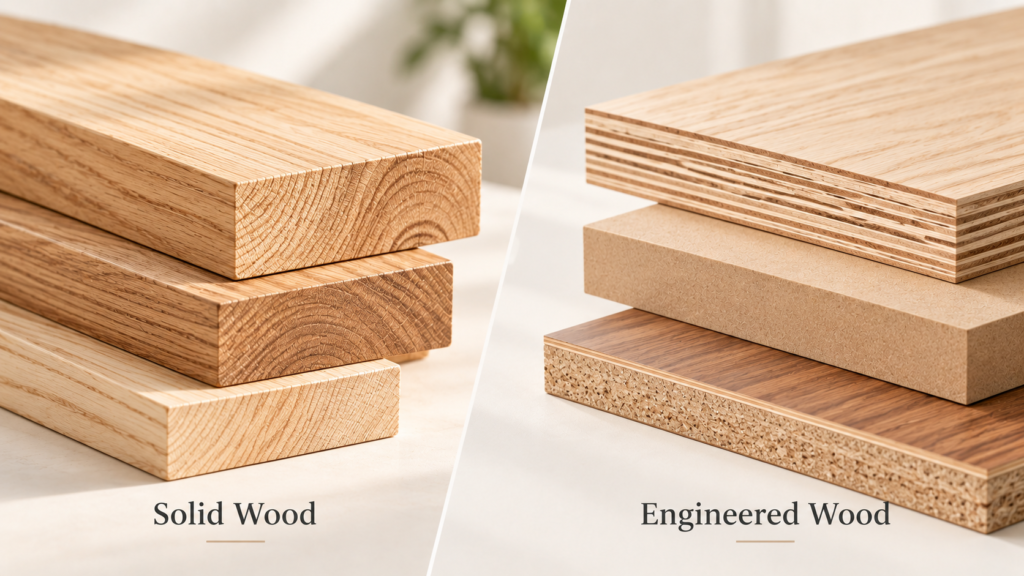
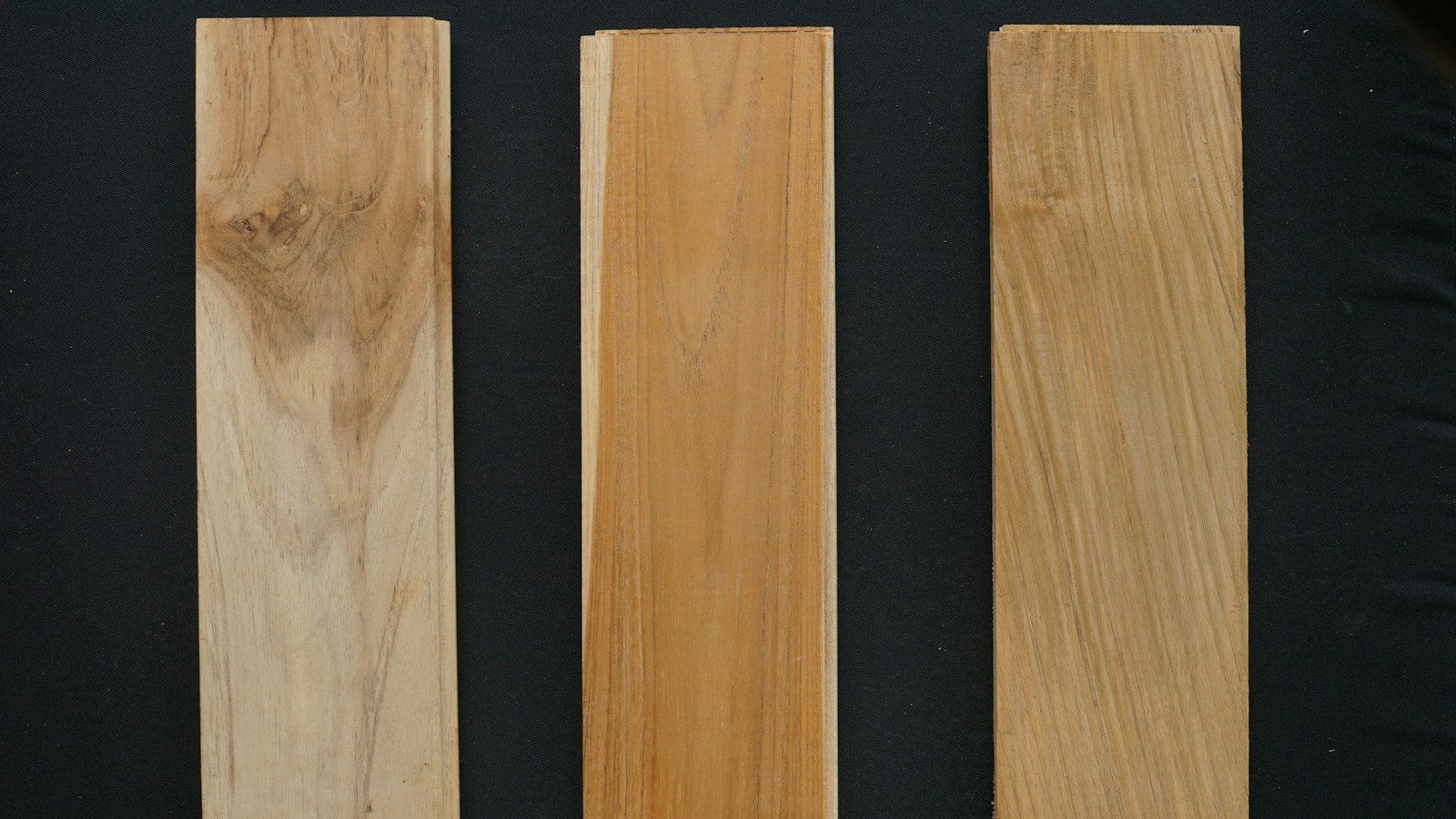
Neither ash nor oak is universally better for wholesale furniture orders. Ash is usually the better fit when buyers want a lighter visual tone, strong grain contrast, good bending performance, and a comparatively lighter hardwood. Oak—especially American white oak—is often chosen when buyers want a heavier, harder feel, more pronounced ray figure, and a familiar premium hardwood position.
For importers, wholesalers, and distributors, the right decision is not “which wood is superior?” but which species better matches the product design, target market, finish direction, price position, and repeat-order plan.
First, Be Specific About What “Oak” Means
Oak is a broad commercial term. Different oak species can vary in color, density, grain, supply, and price. To make the comparison practical, this guide uses American white oak as the main oak reference and compares it with American ash.
The American Hardwood Export Council describes American ash as generally straight-grained with a coarse, uniform texture and strong grain contrast. American white oak is also mainly straight-grained, with medium-to-coarse texture and visible medullary rays that can create a more pronounced figure. Both species are widely used for furniture and can be stained and finished successfully.
Ash vs Oak at a Glance for Furniture Buyers
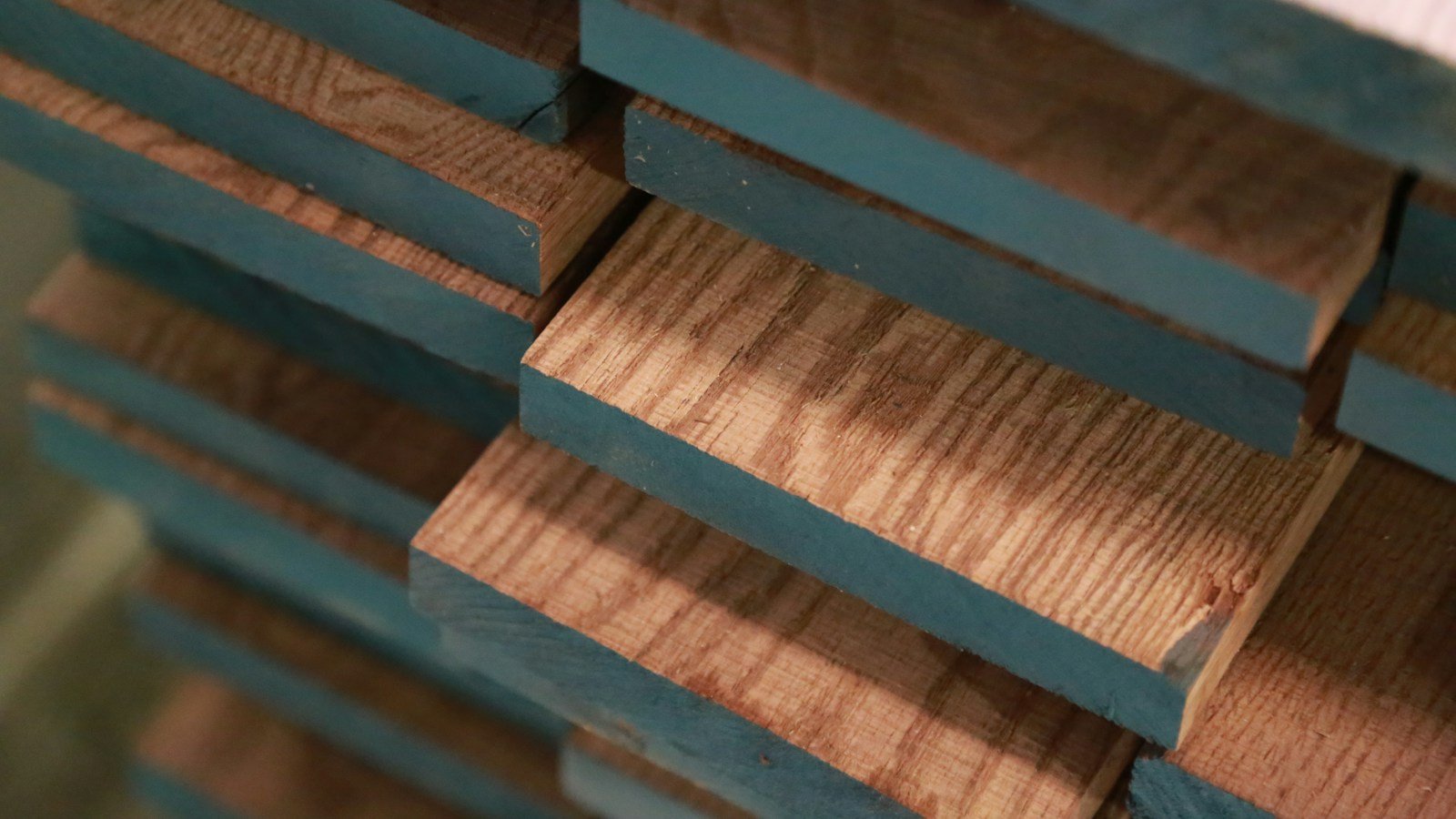
- Natural color: Ash is typically light, with pale sapwood and stronger light-to-dark grain contrast. White oak commonly ranges from whitish or light brown sapwood to light, medium, or darker brown heartwood.
- Grain: Ash has a bold, open-looking grain that often reads clearly under transparent or stained finishes. White oak has a more classic oak figure, including medullary rays that can become visually prominent depending on cut and finish.
- Weight: American white oak is generally heavier than American ash. AHEC lists average weights at 12% moisture content of about 769 kg/m³ for white oak and 673 kg/m³ for ash.
- Hardness: Both are hard furniture woods, while AHEC data lists white oak as somewhat harder than ash.
- Bending: Both species can perform well in bending applications. Ash is especially well known for bending and turning, which is one reason it is common in furniture frames and curved parts.
- Finishing: Both can be stained and polished well, but the final visual result is strongly affected by grain, color selection, sanding, stain choice, and sheen.
These are material tendencies, not guarantees for a finished chair or table. Product structure, section thickness, joinery, moisture control, finishing, and production quality still determine how the furniture performs.
Choose Ash When a Lighter, More Flexible Product Direction Fits the Market
Ash is a strong choice for wholesale furniture programs that need a clean, contemporary wood appearance and visible grain without the heavier visual character associated with some oak products.
Its light base color gives buyers room to work with natural, light, medium, or dark stains. The strong grain remains visible under many transparent finishes, which can help a product retain a clear “real wood” identity even when the color is adjusted for different markets.
Ash also works well for chairs, leisure chairs, stools, and other designs with shaped or curved solid-wood components. For buyers building a coordinated range, one species can often be carried across dining chairs, lounge chairs, tables, and selected case pieces while the finish creates the collection direction.
Nestul’s core solid wood supply line uses North American ash as an important material direction. That does not make ash the right answer for every product, but it makes it commercially practical for buyers who want to build repeatable chair-and-table programs around a consistent material family.
Choose White Oak When Heavier Material Presence Is Part of the Product Position
American white oak can make sense when the buyer wants a denser, heavier hardwood feel and a more recognizably “oak” visual language.
The medullary-ray figure can add character, particularly in surfaces where grain is a visible design feature. White oak is also widely associated with furniture, cabinets, flooring, doors, and architectural joinery, so many markets already understand its material identity.
For some distributors, that familiarity supports a higher product position. But the species name alone does not create value. The buyer still needs to confirm visible-grade expectations, color range, cut, surface preparation, finish, and construction.
Do Not Compare Ash and Oak by Color Name Alone
One of the easiest sourcing mistakes is to treat “natural ash,” “natural oak,” “walnut color,” or “smoked oak color” as complete finish specifications.
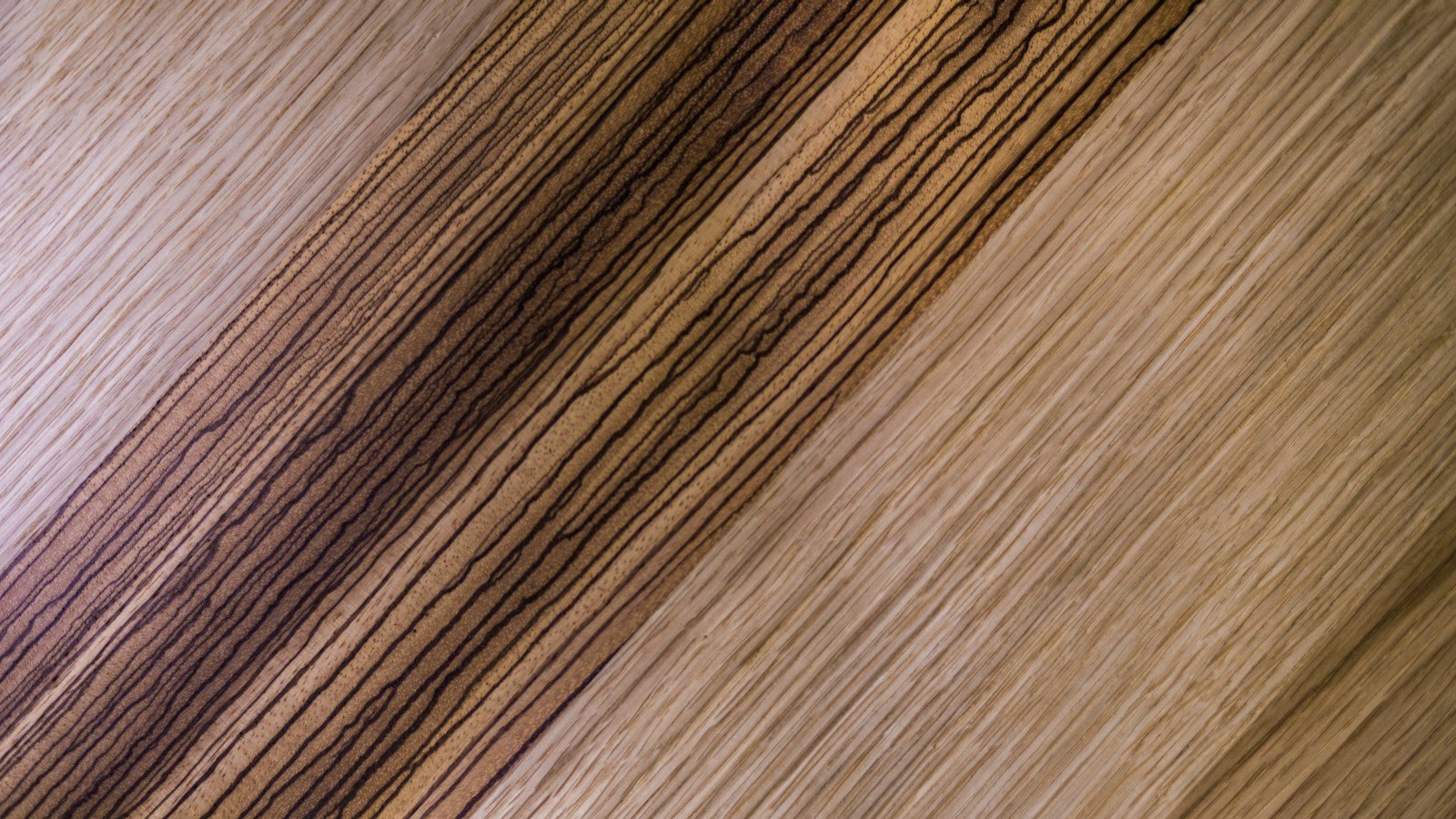
Wood species interact differently with stains because grain structure, natural color, and surface preparation affect absorption and appearance. A dark stain can make ash and oak look closer from a distance, but the underlying grain and figure still differ.
If a buyer is comparing two suppliers, the useful question is not only “Can you make this color?” It is:
- What wood species is used?
- What visible color range is acceptable?
- Will sapwood and heartwood differences be visible?
- What stain or color reference is being approved?
- What sheen level is expected?
- How much natural variation is acceptable across a batch?
For a deeper finish-selection process, see How to Choose a Wood Finish for Solid Wood Furniture.
Weight Matters, but It Should Not Be Treated as a Freight Formula
White oak is generally denser and heavier than ash. In finished furniture, that can contribute to a heavier product feel and may also affect handling and shipment weight.
However, buyers should not estimate freight from species density alone. A chair’s total weight depends on its dimensions, frame sections, upholstery, hardware, construction, and packing. A lighter wood used in a heavier design can still produce a heavier final carton than a denser wood used efficiently.
For landed-cost planning, ask for actual product and packed weights after the specification is confirmed.
Price and Availability Must Be Quoted for the Actual Order
There is no reliable universal rule that ash is always cheaper than oak or that oak is always more expensive. Lumber prices change with grade, thickness, dimensions, origin, supply, color selection, volume, and market conditions.
A wholesale buyer should therefore compare both species on the same product specification and quantity. If the design is available in both materials, request two clearly separated quotations rather than applying a generic price percentage.
The same logic applies when comparing suppliers. If one quotation assumes cleaner visible wood, a different thickness, or a different finish process, the material price is not the only difference. The broader comparison framework is covered in 7 Mistakes Importers Make When Comparing Furniture Quotations from Different Suppliers.
For Repeat Orders, Define Appearance Before You Define “Consistency”
Natural hardwood does not repeat like a printed surface. Ash and oak both show piece-to-piece variation.
A repeat-order standard should therefore define a controlled range rather than demand that every board look identical. Useful approval points include the acceptable color range, visible knots or mineral characteristics, sapwood policy, grain direction where important, stain reference, sheen, and sample or master board retained for future orders.
This is especially important for distributors that expect to replenish the same SKU over several seasons. The goal is not artificial uniformity. The goal is a repeatable commercial appearance.
A Practical Decision Framework for Wholesale Buyers
- Choose ash when the product benefits from a lighter base color, strong grain contrast, bending-friendly construction, and a flexible stain direction.
- Choose white oak when the product benefits from a heavier hardwood identity, classic oak figure, greater density, and a market that specifically values oak.
- Do not choose either species only from a mood board. Approve the actual finished sample and component specification.
- Do not compare price until the specification is aligned. Material grade, dimensions, finish, quantity, and construction must be comparable.
- For a collection, think beyond one SKU. Check whether the species works across the chairs, tables, and other pieces you plan to replenish.
Final Takeaway
Ash and oak can both work well for wholesale furniture. Ash is often the more natural fit for lighter, grain-forward, bend-friendly product lines, while American white oak offers a heavier, harder material character and a familiar oak position.
The safer buying decision is to connect the species to the actual product, finish, target market, quantity, and repeat-order plan. If you are evaluating a solid wood range, review the Nestul product categories or send the target product, quantity, finish direction, and preferred wood species through the inquiry page for a specification-based review.
Ash vs Oak Furniture FAQ
Is ash lighter than white oak?
Generally, yes. AHEC lists American ash at a lower average weight than American white oak at the same referenced moisture content. The weight of finished furniture still depends on the full design and construction.
Which wood is better for dining chairs?
Both can work. Ash is well suited to many chair designs because of its strength-to-weight characteristics and bending performance. White oak can suit buyers who want a denser, heavier oak identity. The structure and intended use matter more than the species name alone.
Can ash be stained to look like oak?
Ash can be stained in many directions, but stain does not change its underlying grain structure into oak. If an oak-specific visual identity matters, approve an oak sample rather than relying only on color matching.
Is oak always more expensive than ash?
No. Price depends on species, grade, thickness, dimensions, selection requirements, origin, quantity, and current supply. Compare current quotations for the same product specification.
What should buyers approve before a bulk order?
Approve the species, visible material standard, dimensions, construction, finish color, sheen, acceptable natural variation, and any retained sample or reference used for repeat orders.